History of Matcha and the Modern Matcha Latte Phenomenon
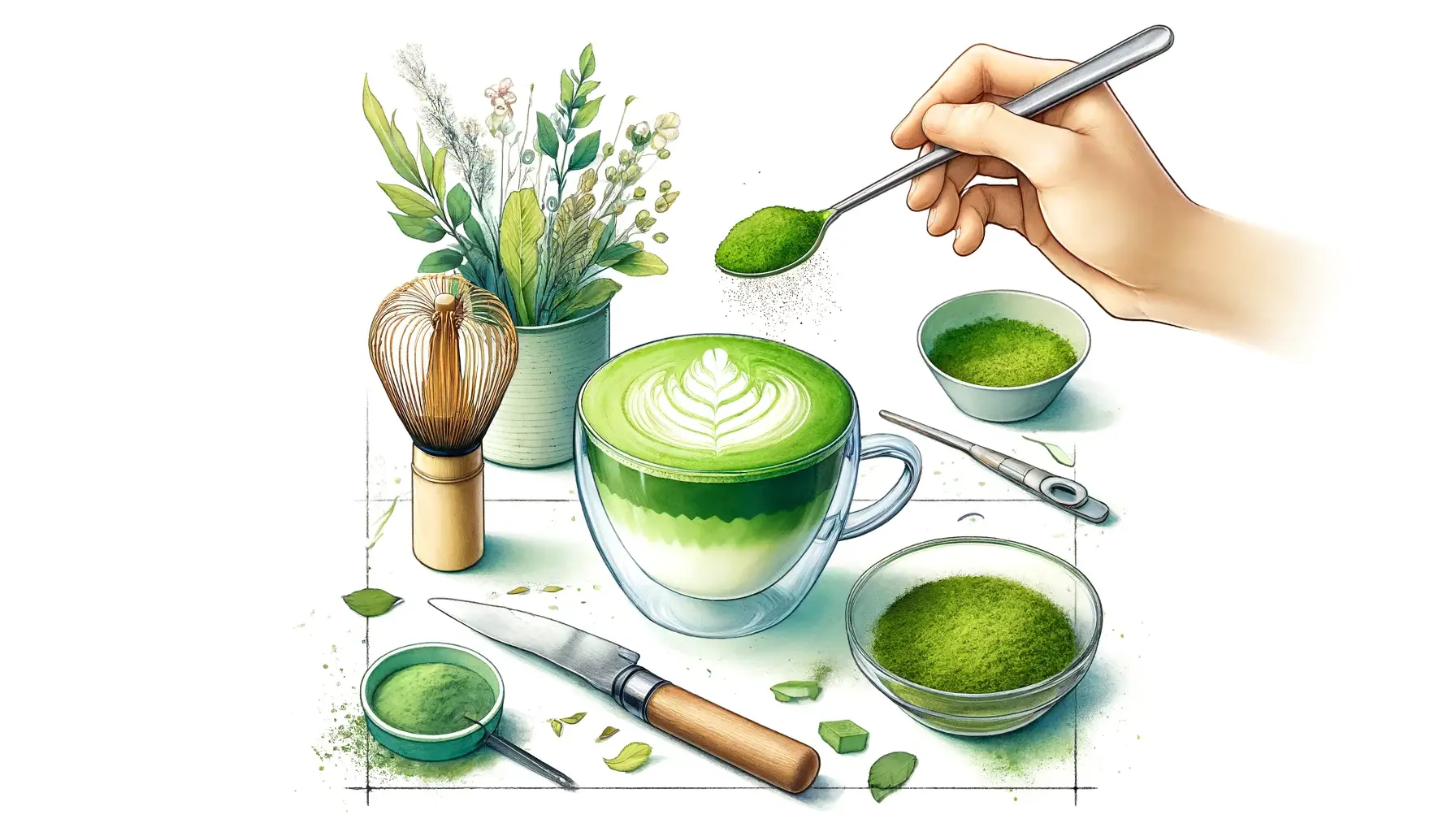
To make a velvety, cafe-quality matcha latte at home, sift 1 teaspoon (2 grams) of ceremonial or premium latte grade matcha powder into a bowl to eliminate clumps. Whisk vigorously with 2 ounces (60 ml) of hot water at 160°F to 175°F (70°C to 80°C) using a bamboo whisk (chasen) in a swift "W" motion until a thick, micro-foamed emerald crema appears. Gently pour 6 to 8 ounces of steamed or cold frothed milk (such as oat, almond, or whole milk) over the matcha base, and sweeten with a teaspoon of pure maple syrup or honey if desired.
The history of matcha spans over eight hundred years, originating when Buddhist monks transported shade-grown powdered green tea from Song Dynasty China to Kyoto, Japan. Traditionally consumed as a whisked, unadulterated ceremonial tea, matcha has undergone a modern renaissance in coffee shop culture. Today, the matcha latte stands as a beloved beverage staple across the globe, pairing the earthy umami and vivid emerald color of stone-ground tea leaves with the sweet creaminess of frothed milk.
People who love matcha appreciate its unique ability to provide alert, calm energy. Because matcha is made from whole tencha leaves ground into a fine powder, you consume 100 percent of the leaf rather than merely drinking steeped water. When you make a matcha latte at home, you receive concentrated catechins like EGCG paired with L-theanine, avoiding the sudden caffeine crash often triggered by traditional coffee drinks.
Types of Matcha: Ceremonial vs Culinary Powder
Before you make matcha latte drinks at home, selecting the proper grade of matcha green tea powder is essential. Different grades of matcha serve distinct culinary purposes:
- Ceremonial Grade Matcha: Sourced exclusively from tender first-harvest spring leaves shaded for three to four weeks. Ceremonial matcha features a luminous bright green color, velvety texture, and subtle umami sweetness with zero bitter astringency. It dissolves effortlessly with a bamboo whisk and shines in lightly sweetened or pure dairy and plant-milk lattes.
- Premium Latte Grade: Often harvested during the second harvest flush. It retains rich chlorophyll and potent antioxidants with a slightly bolder vegetal punch that cuts through rich barista-style oat milk.
- Culinary Grade Matcha: Produced from mature leaves harvested in late summer. It has a deeper, more astringent profile and an olive-green tone, making it ideal for baking cakes, cookies, and intensely flavored smoothies rather than delicate sipping lattes.
| Matcha Grade | Harvest Timing | Color & Texture | Flavor Synergy | Best Culinary Application |
|---|---|---|---|---|
| Ceremonial Grade | First Spring Flush (Ichibancha) | Electric bright green; ultra-fine powder | Sweet umami, vegetal cream, zero bitterness | Pure traditional tea, high-end iced and hot lattes |
| Latte / Barista Grade | Late Spring / Second Flush | Vibrant jade green; fine powder | Balanced vegetal body, mild sweetness | Daily oat milk lattes, iced matcha beverages |
| Culinary Grade | Summer Flush (Nibancha/Sanbancha) | Earthy olive green; slightly gritty | Robust astringency, dark tea notes | Matcha baking, ice creams, flavored smoothies |
Essential Tools: Bamboo Whisk, Chawan, and Milk Frother
Crafting a silky, lump-free cup of matcha latte requires the proper equipment. While you can make matcha using modern kitchen gadgets, traditional Japanese tea tools remain unmatched:
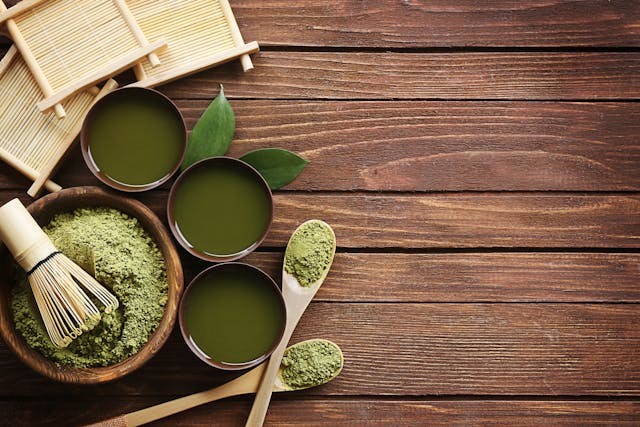
- Bamboo Whisk (Chasen): Handcrafted from a single piece of seasoned bamboo, a chasen features 80 to 120 delicate tines that aerate the matcha suspension into a velvety emerald crema.
- Matcha Bowl (Chawan): A flat-bottomed ceramic bowl provides ample surface area for vigorous whisking without splashing.
- Fine Mesh Sifter: Sifting is non-negotiable. Matcha powder is naturally electrostatic and forms tiny micro-clumps in the tin; pressing it through a stainless steel sieve guarantees a smooth texture.
- Electric Milk Frother: A handheld motorized whisk or automatic milk frother heats and froths dairy or plant milk into microfoam in under 30 seconds.
How to Make Matcha Latte at Home: Step-by-Step Recipe
Learn how to make a velvety, cafe-style matcha latte at home with this foolproof hot latte recipe.
Ingredients:
- 1 teaspoon of matcha powder (approximately 2 grams of ceremonial or latte grade)
- 2 ounces (60 ml) filtered hot water (heated to 160°F to 175°F / 70°C to 80°C)
- 6 to 8 ounces (180 to 240 ml) of milk (oat milk, almond milk, or whole dairy)
- 1 teaspoon of pure maple syrup, honey, or simple vanilla syrup (optional)
Step-by-Step Instructions:
- Sift the Matcha: Place your fine-mesh sifter over the bowl and add one teaspoon of matcha powder. Gently tap or scrape with a spoon to sift the green tea powder, removing all electrostatic lumps.
- Add Hot Water: Pour two ounces of hot water over the sifted powder. Never use boiling water, as temperatures above 180°F scorch delicate catechins and create bitter astringency.
- Whisk to Create Crema: Hold the bamboo whisk lightly and whisk vigorously in a swift "W" or "M" motion from your wrist. Whisk for 20 to 30 seconds until a dense, pale green foam forms across the surface.
- Froth the Milk: Heat your milk to roughly 145°F to 155°F (65°C) and froth until a rich, silky microfoam develops.
- Pour and Assemble: If desired, stir a teaspoon of sweetener into your whisked matcha base. Gently pour the frothed milk over the center of the matcha, allowing the velvety foam to crown the cup. Dust with a pinch of green tea powder for a cafe-grade finish.
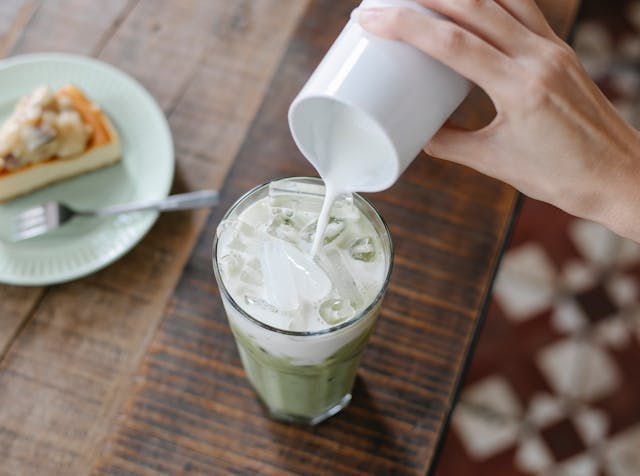
Refreshing Iced Matcha Latte Recipe and Variations with Ice
During warmer months, an iced matcha latte delivers crisp, clean hydration and vibrant energy.
Step-by-Step Iced Latte Preparation:
- Whisk the Concentrated Base: Sift 1 to 2 teaspoons of matcha powder into a bowl, add 2 ounces of warm water (160°F), and whisk with your bamboo whisk until completely smooth.
- Cool Slightly: Let the concentrated shot rest for two minutes so it will not prematurely melt the ice.
- Prepare the Glass: Fill a tall 12-ounce glass to the top with fresh ice cubes.
- Add Cold Milk: Pour 6 to 8 ounces of chilled oat milk or almond milk over the ice.
- Pour the Matcha Shot: Slowly pour the whisked green tea shot over the milk. Pouring gently over the ice creates a visually stunning two-tone layered effect. Stir thoroughly with a straw before sipping.
Starbucks Copycat Recipe: Homemade Matcha Green Tea Latte
Many people first discover matcha through the famous Starbucks matcha green tea latte. However, commercial coffee shop versions frequently contain pre-sweetened blends where white sugar and cellulose gum outweigh actual green tea.
Here is how to make an authentic, cleaner Starbucks copycat recipe at home:
- Matcha Base: 1.5 teaspoons of high-grade ceremonial matcha powder.
- Sweetener: 1 tablespoon of classic vanilla syrup or pure cane sugar syrup.
- Milk: 8 ounces of oat milk or 2 percent dairy milk, steamed and frothed.
- Method: Sift the matcha powder, whisk with 2 ounces of hot water and the vanilla syrup until frothy, and combine with the hot frothed milk. You achieve that signature sweet cafe flavor with zero artificial preservatives and double the authentic antioxidant benefits.
Best Milk Pairings for Matcha Latte Recipes
The choice of milk profoundly impacts the mouthfeel and flavor harmony of your homemade matcha green tea latte:
| Milk Variety | Microfoam Texture | Flavor Synergy with Matcha | Natural Sweetness | Best Recipe Role |
|---|---|---|---|---|
| Oat Milk (Barista Blend) | Dense, velvety microfoam | Toasted grain notes balance matcha umami | Naturally sweet | The gold standard for daily hot and iced lattes |
| Whole Dairy Milk | Rich, glossy, elastic foam | Sweet milk fat softens natural vegetal tannins | Medium | Traditional rich, comforting cafe-style latte |
| Almond Milk | Light, airy froth | Nutty aroma allows green tea notes to shine | Low | Crisp, refreshing low-calorie iced matcha |
| Soy Milk | Creamy, stable foam | Mild, neutral flavor closely mirrors dairy | Medium | High-protein plant-based morning latte |
| Coconut Milk | Silky, delicate foam | Sweet tropical fragrance | High | Summertime iced lattes with a refreshing twist |
Best Matcha Powder Selection: Choosing Quality Green Tea Powder
When selecting a brand of matcha to use at home, always check three primary indicators:
- Origin: Ensure the leaves originate from premier Japanese tea-growing terroirs such as Uji (Kyoto), Kagoshima, or Shizuoka.
- Packaging: Authentic matcha degrades rapidly when exposed to air and light. Look for airtight, opaque tins or foil pouches sealed with an inner barrier.
- Color Test: High-quality matcha exhibits an unmistakable, electric jade green hue. If the powder appears dull yellowish-brown, it has oxidized and lost its sweet vegetal flavor.
Frequently Asked Questions About How to Make a Matcha Latte
What is the best milk to use for a matcha latte?
Barista-style oat milk is widely considered the best milk for matcha lattes. Its natural sweetness and balanced oat lipids froth into a creamy microfoam that perfectly complements matcha's earthy umami without masking delicate tea notes. Whole dairy milk also produces a luxurious, silky texture, while unsweetened almond milk provides a crisp, low-calorie alternative.
Can you make a matcha latte without a bamboo whisk?
Yes. If you do not have a traditional bamboo whisk (chasen), you can use an electric handheld milk frother or a small high-speed blender. Sift your matcha powder into a cup with 2 ounces of warm water (160°F) and pulse the frother for 15 to 20 seconds until a smooth emerald foam forms with no lumps.
Why is my matcha latte gritty or bitter?
A gritty texture results from skipping the sifting step, as electrostatic matcha powder naturally forms clumps that do not dissolve in water alone. Bitterness occurs when boiling water is poured over the powder. Always keep your water temperature between 160°F and 175°F (70°C to 80°C) to protect delicate amino acids and catechins.
Is an iced matcha latte as healthy as a hot matcha latte?
Yes. An iced matcha latte provides the exact same concentration of EGCG antioxidants, chlorophyll, and L-theanine as a hot latte, provided you whisk the powder in a small splash of warm water first to ensure full dissolution before pouring over ice and cold milk.
How much caffeine is in a homemade matcha green tea latte?
A standard matcha latte made with 1 teaspoon (2 grams) of ceremonial matcha powder contains approximately 60 to 70 milligrams of natural caffeine. Because matcha is rich in the amino acid L-theanine, caffeine is absorbed slowly, resulting in four to six hours of clean, steady mental focus without energy crashes or jitters.

Vivian Li
Dedicated green tea researcher and curator exploring the cultural and scientific depths of tea.