The Evolving Landscape of Organic Green Tea Cultivation
The global tea industry is navigating a fundamental transition toward ecological sustainability and regenerative agriculture. Consumer demand for clean, chemical-free green tea has surged as health-conscious drinkers prioritize beverages free from synthetic pesticide residues and artificial additives. However, cultivating high-grade organic green tea leaves presents complex agronomic and economic challenges that require sophisticated ecological management.
Unlike conventional monoculture plantations that rely heavily on chemical fertilizers and synthetic sprays to guarantee predictable harvests, organic tea cultivation demands working within natural biological cycles. Tea farmers must maintain high organic matter content in living soils, manage destructive insect populations using biological controls, and mitigate unpredictable climate volatility, all while maintaining competitive commercial yields.
The Organic Green Tea Boom: Consumer Values and Ecological Reality
The rapid expansion of the organic tea sector reflects shifting consumer priorities. Modern buyers increasingly understand that green tea polyphenols, especially epigallocatechin gallate (EGCG), are most beneficial when uncompromised by agricultural toxins. In addition, environmental concerns regarding groundwater contamination and pollinator decline have led consumers to seek certified organic and fair trade labels.
In response, commercial tea estates and smallholder farms across Japan, China, India, and East Africa are converting acreage to organic standards. This transition represents a major structural shift in the global tea production system, emphasizing biodiversity, long-term soil fertility, and farm worker welfare.
Core Agronomic Challenges in Organic Green Tea Cultivation
Transitioning from conventional agrochemicals to certified organic methods exposes tea growers to substantial operational challenges:
| Agronomic Challenge | Conventional Approach | Organic Problem | Sustainable Organic Solution |
|---|---|---|---|
| Pest Control | Synthetic organophosphate insecticides | Chemical resistance, loss of beneficial predators | Parasitic wasps, predatory mites, nocturnal pest blowers |
| Soil Nutrition | High-nitrogen chemical fertilizers | Rapid acidification, soil microbiome depletion | Leguminous cover crops, oilseed meal, composted farm biomass |
| Weed Management | Petroleum-based systemic herbicides | Soil erosion, groundwater contamination | Mechanical brush mowing, straw mulching, inter-row groundcovers |
| Fungal Blights | Chemical fungicides | Chemical residues in brewed tea leaves | Native microbial antagonists, canopy aeration, copper sulfate |
| Transition Yield Dip | Continuous chemical forcing | Initial 20% to 40% harvest volume drop | 3-year phased transition, cooperative risk-sharing pools |
1. Biological Pest Management Without Synthetic Chemicals
Tea plants (Camellia sinensis) are vulnerable to numerous insect pests, including tea green leafhoppers, spider mites, thrips, and aphids. In conventional agriculture, broad-spectrum insecticides temporarily suppress pest numbers, but they also exterminate predatory insects that naturally regulate pest populations.
In organic tea production, farmers cannot reach for synthetic chemicals when pest outbreaks occur. Instead, they must cultivate a resilient agricultural ecosystem:
- Habitat Corridors: Farmers plant flowering native hedgerows along tea field perimeters, providing shelter for ladybugs, lacewings, and parasitic wasps.
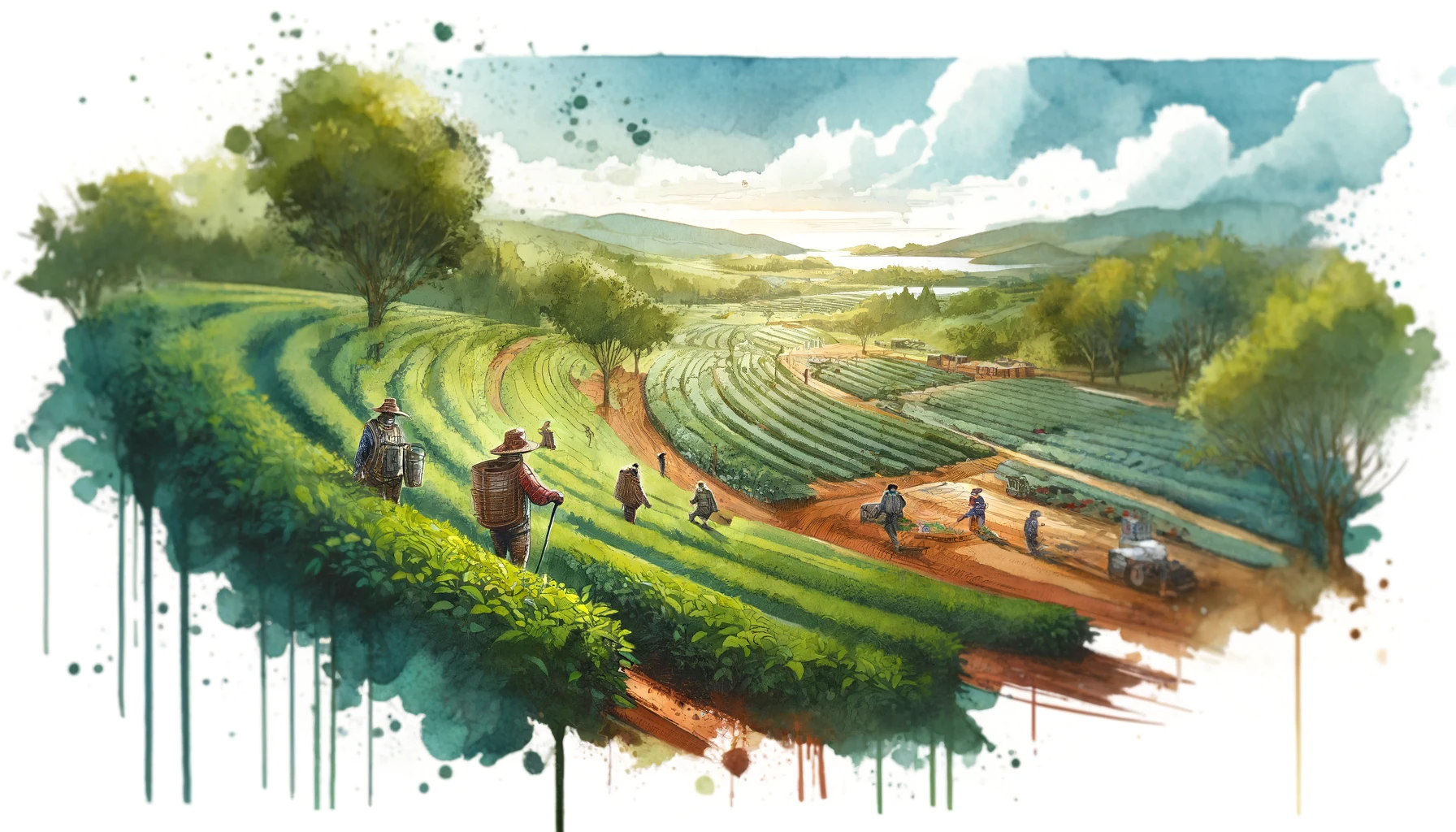
- Mechanical and Physical Controls: In Japanese organic regions like Kagoshima, farmers operate specialized tractors equipped with night-light blowers. These machines blow high-velocity streams of air through tea bushes at night, dislodging leafhoppers onto sticky collection panels without damaging tender leaf buds.
- Botanical Sprays: Growers utilize certified neem oil extracts and garlic sprays to repel soft-bodied pests without leaving synthetic residues on harvestable green leaves.
2. Sustaining Soil Fertility and Organic Matter
High-grade green tea cultivation requires significant nitrogen inputs to produce tender, sweet spring flushes rich in amino acids such as L-theanine. Conventional plantations apply concentrated synthetic urea, which accelerates vegetative growth but causes long-term soil acidification and degrades soil structure.
Organic tea cultivation must build nitrogen naturally through organic matter:
- Composting and Organic Amendments: Farms apply fermented compost, fish meal, and steamed bone meal to replenish macro- and micronutrients steadily.
- Cover Cropping: Sowing clover, hairy vetch, or local legumes between tea rows fixes atmospheric nitrogen directly into the root zone while preventing topsoil runoff during heavy seasonal rains.
- Soil Microbiome Protection: Avoiding chemical biocides preserves mycorrhizal fungi networks that assist tea roots in absorbing vital trace minerals from the subsoil.
Environmental Challenges: Climate Change and Water Management
Climate change represents an immediate threat to the global tea market and organic cultivation practices:
1. Erratic Weather Patterns and Temperature Extremes
Tea plants require consistent seasonal temperature transitions. Unseasonal early warming can trigger premature bud break, exposing tender spring shoots to devastating late frosts. Conversely, severe heatwaves and prolonged droughts scorch upper canopy leaves, reducing catechin yields and compromising the delicate sweet flavor profiles characteristic of premium sencha or gyokuro.
2. Sustainable Water Management
Unpredictable monsoon timing and extended dry spells make water conservation a central priority. Leading organic tea plantations invest in rainwater harvesting catchments, gravity-fed storage reservoirs, and efficient drip irrigation systems. Drip lines deliver water directly to the plant root zones, minimizing evaporative loss and maintaining steady soil moisture during dry spells.
Economic and Market Obstacles for Organic Tea Farmers
While consumer demand for organic tea continues to grow, growers face substantial financial and administrative hurdles:
- The Three-Year Transition Period: International certification standards (such as USDA Organic, JAS Organic, and EU Organic) require a mandatory three-year conversion period. During these three years, farmers must follow strict organic protocols and absorb lower yields, yet they cannot market their harvest as certified organic or command premium prices.
- Certification and Audit Expenses: Annual third-party inspection fees, soil laboratory testing, and extensive administrative documentation place a heavy financial burden on smallholder farmers.
- Market Price Volatility: Although certified organic tea sells at a wholesale premium, competition from large consolidated corporate farms can pressure small independent growers who bear higher manual labor costs.
Social Equity: Tea Production and Consumption Dynamics
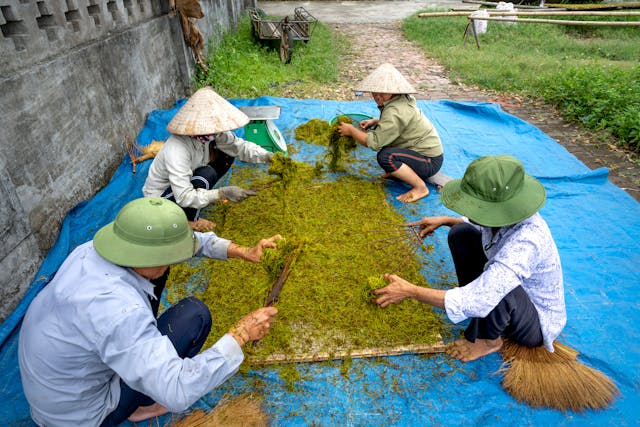
Sustainable tea farming encompasses human welfare alongside environmental stewardship. Conventional tea estates producing commodity black tea or commercial green tea historically faced criticism regarding low farm wages and hazardous worker exposure to toxic agrochemicals. As global tea culture evolves, consumer appreciation for how farmers produce tea has grown, spanning diverse varieties of tea and specialized types of tea. Every harvested tea leaf requires skilled labor during seasonal tea growing and precise post-harvest tea processing to preserve fresh volatile aromatics.
Organic cultivation transforms farm labor dynamics:
- Safer Working Conditions: Field workers are completely free from exposure to toxic chemical insecticides, creating healthier working environments in rural communities.
- Fair Trade Integration: Many organic estates hold dual Fair Trade certification, ensuring a guaranteed minimum price and social premium funds directed toward rural health clinics, schools, and clean water infrastructure.
- Farmer Cooperatives: Smallholders organize into regional agricultural cooperatives, pooling resources to purchase organic mechanical harvesters, build shared processing facilities, and negotiate directly with global organic tea brands.
Frequently Asked Questions About Organic Green Tea Cultivation
What are the main challenges in organic green tea cultivation?
The primary challenges include controlling insect pests without synthetic insecticides, maintaining soil nitrogen levels without chemical fertilizers, managing initial yield losses during the three-year organic transition period, and adapting to extreme climate fluctuations such as unseasonal frosts and droughts.
Why do green tea harvests drop when transitioning to organic methods?
When a conventional farm halts chemical fertilizers and pesticides, the soil requires several years to rebuild its natural microbiome and organic humus content. Until beneficial soil bacteria, mycorrhizal fungi, and natural predator insects re-establish healthy balances, tea bushes temporarily produce 20 to 40 percent less vegetative growth.
How do organic tea farmers protect plants from pests?
Organic tea farmers use biological controls, including preserving predatory insects (ladybugs, lacewings, parasitic wasps), installing nighttime mechanical wind blowers, and applying approved botanical repellents like neem oil. These integrated pest management strategies keep pest populations below damage thresholds without synthetic chemicals.
How does climate change affect organic green tea production?
Climate change creates unpredictable seasonal cycles, including early spring warmth followed by frost, severe heatwaves, and erratic rainfall. Because organic farmers do not use synthetic systemic chemicals to force recovery, they rely on shade nets, cover crops, and deep drip irrigation to build natural botanical resilience.

Vivian Li
Dedicated green tea researcher and curator exploring the cultural and scientific depths of tea.