
What Is Green Tea? Botanical Origin, Processing, and History
Green tea is an unoxidized botanical infusion prepared from the freshly harvested leaves and leaf buds of the Camellia sinensis plant. While black tea, oolong tea, and white tea all originate from this exact same botanical species, green tea is distinct due to its processing method. Immediately after plucking, the fresh tea leaves are heated through steaming (traditional in Japan) or gentle dry pan-firing (common in China).
This immediate heating process deactivates endogenous polyphenol oxidase enzymes before the leaves can oxidize. Halting oxidation allows green tea leaves to preserve their vibrant green color, delicate vegetal flavors, and exceptionally high concentrations of naturally occurring catechins and green tea polyphenols. Comparing green and black tea reveals that green tea preserves intact monomeric catechins that would otherwise oxidize into theaflavins.
Historical records date the consumption of green tea in China back thousands of years. Originally harvested as a wild medicinal leaf, this type of tea gradually evolved into an art form, giving rise to classic varieties such as Sencha, Gyokuro, Longjing (Dragon Well), and finely stone-ground Matcha. In recent decades, regular green tea consumption has expanded rapidly across the Western world as scientific institutions, including the National Institutes of Health, continue to document its remarkable nutritional makeup.
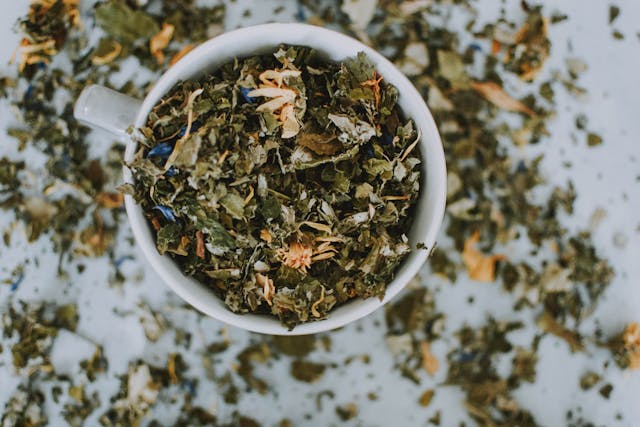
Understanding the Differences: Green Tea, Black Tea, and Oolong Tea
All true teas originate from Camellia sinensis, yet their oxidation levels dictate their chemical characteristics and biological actions:
- Green Tea: Zero oxidation. Leaves are steamed or pan-fired within hours of picking. High concentrations of monomeric catechins, particularly epigallocatechin gallate (EGCG), are preserved intact.
- Oolong Tea: Partially oxidized (typically 15 to 70 percent). Leaves undergo controlled bruising and withering, balancing catechins with aromatic theaflavins.
- Black Tea: Fully oxidized. Tea leaves are rolled and exposed to air, transforming monomeric catechins into complex polymeric theaflavins and thearubigins.
- White Tea: Minimally processed young buds and tender leaves, simply withered and dried in natural sunlight.
| Tea Type | Oxidation Level | Processing Method | Primary Antioxidants | Average Caffeine (8 oz Cup) | Flavor Notes |
|---|---|---|---|---|---|
| Green Tea | 0% (Unoxidized) | Steamed or pan-fired to arrest oxidation | Monomeric Catechins (EGCG, ECG, EGC) | 25 to 45 mg | Fresh grass, sweet seaweed, vegetal, toasted chestnut |
| White Tea | 1% to 5% (Minimal) | Sun-withered and gently dried | Catechins and Polyphenols | 15 to 30 mg | Delicate floral, subtle melon, honey |
| Oolong Tea | 15% to 70% (Partial) | Repeated bruising, shaking, and partial firing | Theaflavins and Catechin hybrids | 30 to 50 mg | Orchid, roasted stone fruit, creamy caramel |
| Black Tea | 100% (Full) | Fully rolled, oxidized, and roasted | Theaflavins and Thearubigins | 40 to 70 mg | Robust malt, dark cocoa, brisk spice |
Proven Health Effects: Why You Should Drink Green Tea
Decades of biomedical research have examined the association between green tea consumption and reduced incidence of chronic disease. Large population cohorts analyzing tea consumption and mortality show that green tea drinkers exhibit improved longevity compared to non-tea drinkers. Incorporating a daily cup of green tea into your lifestyle delivers steady, broad-spectrum physiological support.
1. Cellular Defense Against Oxidative Stress
Every cell in the human body generates reactive oxygen species through natural respiration and metabolic turnover. When environmental stressors such as UV light, pollution, or poor diet overwhelm endogenous defenses, oxidative stress accelerates cellular damage.
Green tea contains high levels of polyphenols, particularly EGCG, that donate electrons to stabilize free radicals. By neutralizing oxidative compounds, regular consumption of green tea reduces lipid peroxidation in cell membranes and helps protect genomic DNA from oxidative breaks. The antioxidant properties of green tea actively support long-term cellular health.
2. Cardiovascular Support: Arteries, Blood Lipids, and Blood Pressure
Extensive cohort studies tracking hundreds of thousands of adults highlight that people who drink green tea consistently exhibit lower cardiovascular mortality rates. The protective effect of green tea stems from several concurrent pathways:
- Cholesterol Modulation: Green tea catechins reduce intestinal absorption of dietary cholesterol and upregulate hepatic LDL receptors, supporting healthier total and LDL cholesterol levels.
- Preventing Plaque Formation: EGCG inhibits the oxidative modification of LDL particles, a critical initiating trigger for arterial plaque buildup.
- Vascular Endothelial Function: Green tea polyphenols stimulate endothelial nitric oxide synthase, relaxing blood vessel walls and helping maintain normal blood pressure levels. Clinical evaluations of green tea intake demonstrate measurable gains in arterial flexibility.
3. Sustained Mental Clarity and Alert Relaxation
Green tea contains caffeine in modest amounts, but unlike synthetic energy drinks or heavy dark roasts, drinking green tea produces a steady, calm focus. The physiological effect of caffeine is moderated by the non-protein amino acid L-theanine.
L-theanine crosses the blood-brain barrier to increase brain alpha wave activity, generating an alert state of calm without drowsiness. When caffeine and L-theanine combine, they optimize cognitive performance, reaction time, and working memory while dampening the nervous jitters often triggered by coffee.
4. Metabolic Rate Support and Fat Oxidation
Green tea and green tea extract are widely recognized in metabolic research for their thermogenic properties. Clinical trials indicate that the synergistic combination of green tea catechins and mild caffeine stimulates brown adipose tissue thermogenesis and boosts fat oxidation during exercise and daily rest. Green tea may help enhance 24-hour energy expenditure, making it a valuable addition to an active lifestyle. Green tea may also assist in moderating post-meal blood sugar surges.
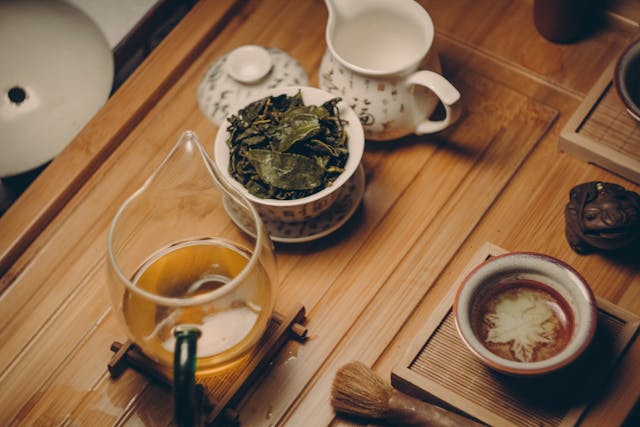
Brewed Green Tea vs Green Tea Extract: Benefits and Safety
When seeking the health benefits of green tea, consumers can choose between traditional loose leaves and concentrated dietary supplements:
- Whole Leaf Brewed Tea: Steeping whole green tea leaves in warm water provides an optimal, bioavailable balance of catechins, amino acids, and hydration. Drinking three to five cups daily provides approximately 250 to 450 milligrams of catechins. The beneficial effect of green tea consumption from freshly brewed tea leaves has a pristine safety record spanning millennia.
- Green Tea Supplementation (Capsules): Concentrated green tea extract delivers high quantities of EGCG in convenient pill format. While taking green tea extract offers concentrated potency, high doses taken on an empty stomach can stress liver enzymes. Taking green tea supplements safely requires keeping daily intake below 800 milligrams of EGCG and always taking capsules alongside a balanced meal.
How to Brew Green Tea for Optimal Flavor and Health Benefits
Brewing green tea properly ensures maximum extraction of beneficial catechins without drawing out harsh, bitter tannins.
- Choose High-Grade Whole Leaves: Select loose leaf tea or pyramid sachets containing unbroken leaves. Whole leaves yield superior aromatic complexity and richer antioxidant density compared to fragmented commodity dust.
- Use Filtered Water: Water quality directly impacts the clarity and sweetness of your infusion. Use filtered spring or tap water free of chlorine.
- Mind the Temperature: Never pour boiling water over green tea leaves. Boiling water burns delicate leaves and scalds volatile oils. Aim for 160°F to 180°F (70°C to 82°C). If boiling on a stovetop, allow the water to rest for two to three minutes before pouring.
- Time Your Steep: Steep green tea leaves for two to three minutes. Extending steep times past three minutes increases bitterness significantly.
- Re-steep Your Leaves: High-quality loose leaves can be steeped two to three times. Subsequent infusions often reveal sweeter, subtler flavor layers.
Frequently Asked Questions About Green Tea
What is green tea made of?
Green tea is made exclusively from the fresh, unfermented leaves of the Camellia sinensis plant. The leaves are steamed or pan-fired shortly after harvesting to stop natural oxidation, retaining their natural green pigment, catechins, and subtle vegetal flavors.
What are the main health benefits of green tea?
The primary health benefits of green tea include strong antioxidant cellular protection from EGCG catechins, enhanced cardiovascular health through improved cholesterol and blood pressure balance, increased fat oxidation and metabolic support, and sustained mental focus without jitteriness thanks to the combination of caffeine and L-theanine.
How much caffeine is in a cup of green tea compared to coffee?
An eight-ounce cup of green tea contains approximately 25 to 45 milligrams of caffeine, whereas an equivalent cup of brewed coffee contains between 95 and 165 milligrams. Green tea also contains L-theanine, which modulates caffeine absorption to provide calm alertness without rapid heart rate or energy crashes.
Can drinking green tea help with weight loss?
Drinking green tea can assist with healthy weight management by boosting metabolic rate and increasing lipid oxidation through the synergistic activity of catechins and natural caffeine. However, green tea should be incorporated alongside a nutritious, calorie-balanced whole food diet and regular exercise for noticeable weight loss results.
How many cups of green tea should you drink per day?
Most scientific studies show that drinking three to five cups (24 to 40 ounces) of freshly brewed green tea daily provides an effective intake of 250 to 500 milligrams of catechins, delivering optimal health benefits while remaining within safe daily caffeine limits.

Vivian Li
Dedicated green tea researcher and curator exploring the cultural and scientific depths of tea.