The Staining Effects of Tea on Teeth
Yes, matcha can stain teeth slightly more than steeped green tea because it is a whole-leaf powdered suspension that physically adheres to enamel and dental plaque. However, matcha stains far less than coffee or black tea, and its natural tannins do not deeply discolor teeth. In addition, the high concentration of antibacterial catechins (EGCG) in matcha actively combats plaque-forming bacteria. A simple water rinse after sipping is usually all it takes to keep your smile bright.
Tea is a beloved beverage around the world, celebrated for its variety, flavor, and numerous health benefits. However, for those who cherish both their tea and a bright smile, there’s a lesser-known downside to consider: the potential for tea to stain teeth. Understanding how tannins interact with dental aesthetics allows you to enjoy both matcha and traditional green tea while preserving a bright smile.
The Tannin Telltale: How Tea Consumption Stains Teeth
Tea contains tannins, a type of polyphenol that contributes to its rich color and distinct flavor but is also responsible for staining. These tannins adhere to dental enamel when tea is consumed, leading to gradual discoloration or stains over time. Darker teas like black and oolong, which are higher in tannins, are particularly notorious for this effect. For avid tea drinkers, regular consumption without proper dental care can lead to visible changes in tooth color. This staining can be a significant cosmetic concern, as it may affect the appearance of one’s smile and overall dental health.
Maintaining oral hygiene by brushing your teeth after drinking tea, using whitening toothpaste, or even visiting your dentist for professional cleaning can help mitigate these effects and keep your smile bright.
Matcha vs. Green Tea: Comparing Their Effects on Tooth Staining
Matcha and traditional green tea both originate from the same plant, Camellia sinensis, yet they differ significantly in their processing and thus in their staining potential. Traditional green tea is typically brewed from dried leaves, which are then removed from the water, limiting their contact with teeth. This results in relatively lighter stains compared to other teas.
On the other hand, matcha involves consuming the entire leaf in powdered form, mixed directly into the water. This means that matcha drinkers ingest a higher concentration of tannins. Consequently, matcha can pose a greater risk for staining teeth than traditional green tea, despite its vibrant green color and health benefits. For matcha lovers, it’s wise to consider drinking it through a straw or ensuring prompt and thorough oral hygiene after enjoying a cup.
Understanding Tea Stains
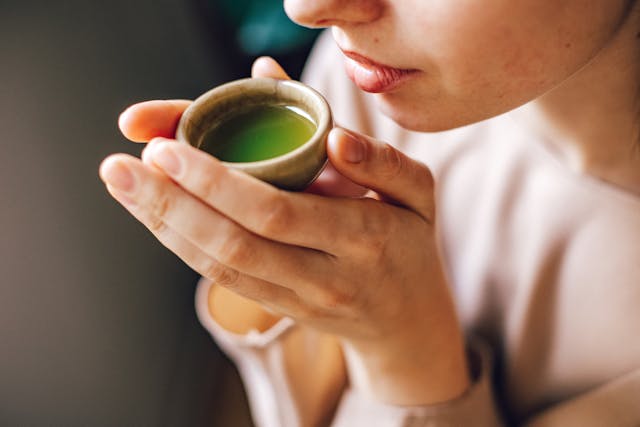
Tea lovers often celebrate the rich flavors and health benefits of their favorite brews, but there’s a less talked about aspect of tea drinking: the potential for staining teeth. Here, we dive into why tea stains teeth, focusing on the role of tannins and comparing how different teas, such as matcha and traditional green tea, affect dental aesthetics.
Beverage Staining & Dental Impact At a Glance
| Beverage | Staining Risk | Enamel Interaction | Oral Health Impact |
|---|---|---|---|
| Matcha Green Tea | Mild | Micro-powder suspension that clings to surface plaque | High in antibacterial EGCG and natural fluoride; inhibits cavity-causing bacteria |
| Steeped Green Tea | Very Low | Light, clear infusion with minimal pigment transfer | Gentle on enamel; provides protective catechins |
| Black Tea | High | Dark theaflavins and high tannins that bind deeply to enamel proteins | Lowers oral pH; notorious for yellowish-brown stains |
| Coffee | Very High | Highly acidic chromogens that penetrate microscopic enamel pores | Stains aggressively and promotes bacterial adherence |
The Role of Tannins and Other Compounds in Tea Staining
Tannins are natural compounds found in many plants, including the tea plant, Camellia sinensis. These compounds are the primary culprits behind the staining properties of tea. They have the ability to bind to proteins, which means when you sip tea, tannins can adhere to the enamel on your teeth. This binding process not only affects the coloration of your teeth but also contributes to the astringent taste of the tea. During the fermentation of tea leaves, other compounds like theaflavins and thearubigins are formed, which also play significant roles in the color and potential for staining. The presence of these compounds makes maintaining oral hygiene a key concern for regular tea drinkers.
Comparing Staining Potentials: Matcha vs. Traditional Green Tea
While all teas contain tannins, their concentration (and thus their staining potential) varies significantly between types of tea. Matcha, which involves consuming ground tea leaves in their entirety, inherently contains a higher concentration of tannins compared to traditional green tea, where the leaves are steeped and then removed. This means that matcha drinkers are exposed to more tannins with each sip, leading to a greater potential for staining teeth. The vibrant green color of matcha might seem innocuous, but its staining power is something to consider if dental aesthetics are a concern.
How Matcha Preparation Influences Tooth Staining
The unique preparation of matcha involves consuming the whole tea leaf in powdered form. This fundamentally changes how teeth are exposed to staining agents. Since matcha drinkers consume the entire leaf, they ingest all the tannins and other color-imparting compounds present in the leaves. This method of consumption can lead to more direct and frequent contact of these compounds with the teeth, potentially increasing the risk and degree of staining compared to other teas where the leaves are removed after brewing.
Matcha vs. Green Tea: Staining Potential
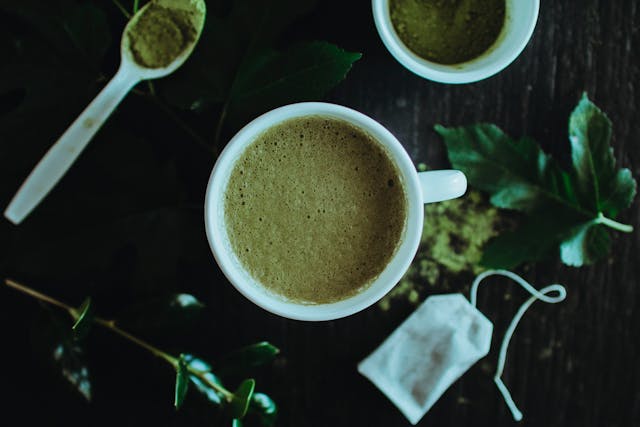
Tea is one of the world’s most beloved beverages, appreciated not just for its diverse flavors but also for the cultural rituals surrounding its consumption. However, for those conscious about dental aesthetics, the potential of tea to stain teeth is a significant consideration. This is particularly true when comparing the staining potential of matcha versus traditional green tea.
How Matcha and Traditional Green Tea Differ in Dental Staining
Matcha and traditional green tea both hail from the same plant, Camellia sinensis, but they impact tooth coloration differently due to their distinct preparation and consumption methods. Traditional green tea is steeped, allowing only some of the tannins and color compounds to infuse into the water, which generally results in lighter potential for staining. Conversely, matcha involves consuming the entire leaf in powdered form. This method dramatically increases the exposure of teeth to tannins, enhancing the likelihood of more significant staining than traditional green tea, as the staining agents are in more direct contact with the enamel.
Professional Perspectives on Tea Staining: From Black to Matcha
Dental health professionals note that darker teas like black and oolong, with their higher tannin concentrations, are more likely to stain teeth. Lighter teas such as green and white tea typically have a lower staining potential. However, matcha, a type of green tea, defies this trend due to its unique consumption of the whole leaf, resulting in a higher concentration of tannins. To mitigate staining, dental experts recommend regular brushing and rinsing after consuming teas, particularly matcha. Maintaining good oral hygiene can significantly reduce the risk of staining, preserving both the health benefits of the tea and the aesthetics of your smile.
Discussion on Whether the Finer Grind of Matcha Leads to More Pronounced Teeth Staining
The fine micro-grind of matcha is an essential factor in its staining potential. When consumed, the powdered leaves adhere more extensively to the teeth than the larger leaf particles found in traditionally brewed teas. This increased adherence enhances the surface area contact between the tannins and the tooth enamel, potentially leading to more pronounced staining. The powdery nature of matcha allows it to interact more intimately with tooth surfaces, thus increasing its capacity to stain compared to coarser tea leaves that are removed after brewing.
Oral Health Benefits of Matcha and Green Tea
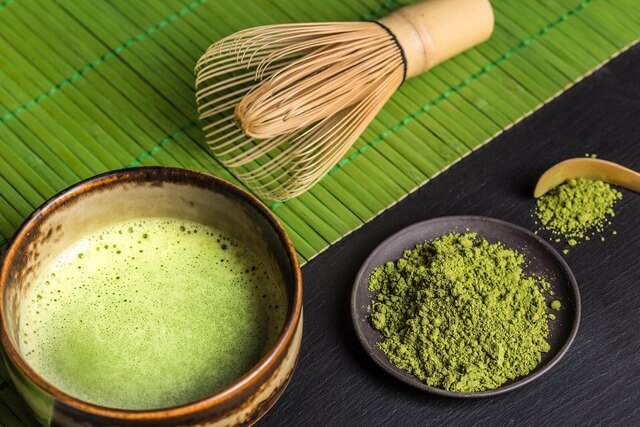
Welcome to the wonderful world of tea, where every sip not only delights the taste buds but can also contribute to your oral health. Both matcha and traditional green tea are renowned not just for their flavors and cultural importance but also for the significant benefits they offer for dental health.
How Matcha and Green Tea Promote Oral Health
Matcha and green tea are treasure troves of catechins, potent antioxidants with strong antibacterial properties. These natural compounds are effective in combating the oral pathogens that lead to tooth decay and gum disease. Regular consumption of these teas may help in reducing plaque buildup and lowering the acidity of saliva, fundamental factors in the prevention of cavities. This means that incorporating matcha or green tea into your daily routine could not only enhance your general health but also promote a healthier mouth.
Fluoride in Your Tea: A Hidden Ally for Stronger Teeth
One of the lesser-known facts about tea is its fluoride content. Tea leaves absorb fluoride from the soil, making both matcha and traditional green tea sources of this enamel-strengthening mineral. Fluoride is essential for fighting tooth decay and reinforcing tooth enamel. The fluoride levels in tea can vary based on where the tea is grown and how it is processed, but regularly drinking tea can boost your fluoride intake, providing an additional layer of defense against tooth erosion and cavities.
Why Dentists Might Recommend Matcha for Oral Health
Despite the common concern that matcha might stain teeth due to its intense color, many dental professionals recognize and advocate for the oral health benefits of matcha. Beyond its potential for staining, matcha is packed with antioxidants that reduce inflammation and inhibit the growth of harmful bacteria within the mouth. These attributes can be especially beneficial in protecting against periodontal disease. Therefore, the oral health benefits of matcha often outweigh the aesthetic issue of staining, and with proper dental hygiene, the concern about discoloration can be effectively managed.
Preventing and Managing Tea Stains
Tea enthusiasts often face the challenge of enjoying their favorite brews without compromising the whiteness of their teeth. Both matcha and traditional green tea can leave stains due to their tannin content, but with the right techniques, you can minimize this effect and keep your smile bright. Let’s explore some effective strategies for enjoying tea without the dental downsides.
Techniques to Enjoy Matcha and Green Tea Without Staining Your Teeth
Loving matcha or green tea doesn’t have to mean settling for stained teeth. Consider these practical tips to enjoy your tea stain-free:
- Use a Straw: Particularly when drinking matcha, using a straw can significantly reduce the liquid’s contact with your teeth, lessening the chance of stains.
- Rinse After Drinking: A quick rinse with water after enjoying a cup can help remove any tannins that might cling to your teeth, reducing their staining potential.
- Timing Matters: Drinking these teas during meals can also diminish their contact with your teeth. The increased saliva production while you eat helps naturally cleanse your teeth, preventing stains before they set.
By incorporating these simple habits, you can enjoy your daily cup of matcha or green tea without worrying about dental discoloration.
Keeping Your Smile Bright: Teeth Whitening Solutions for Tea Lovers
For those who love their tea but want to maintain a sparkling smile, here are some teeth whitening and cleaning techniques:
- Regular Dental Cleanings: Visiting your dentist for professional cleanings twice a year can effectively remove any tea stains and keep your teeth looking their best.
- Whitening Products: Utilizing whitening toothpaste or undergoing professional whitening treatments can help counteract any discoloration caused by your tea habit.
- Electric Toothbrushes: These tools are more effective at removing stains compared to manual brushing and are a great investment for regular tea drinkers.
Adopting these methods will help ensure that your love for tea doesn’t dim the brightness of your smile.
Daily Habits to Defend Against Tea Stains
Maintaining a stain-free smile also involves daily habits and dietary choices that support oral health:
- Eat High-Fiber Foods: Fruits and vegetables that scrub your teeth as you chew can naturally clean your teeth. Apples, carrots, and celery are excellent choices.
- Include Dairy in Your Diet: Foods high in calcium, like dairy products, can strengthen your teeth and form a barrier against stains.
- Optimal Oral Hygiene: Brushing twice a day, flossing, and using mouthwash are essential for removing tea particles that could stain your teeth. Brushing or rinsing shortly after drinking tea can be particularly effective in preventing stains.
By following these daily practices, you can enjoy your preferred teas without letting them tarnish your smile. Whether you are learning the proper water temperature for brewing matcha or finding the best green tea for your daily health routine, mindful habits ensure you savor every sip while keeping your smile vibrant and bright.
Staining Potential Compared: Matcha vs Other Beverages
| Beverage | Tannin Content | Acidity Level (pH) | Staining Potential | Dental Health Benefits |
|---|---|---|---|---|
| Steeped Green Tea | Low to Moderate | Mild (6.0 to 6.5) | Low | EGCG reduces Streptococcus mutans bacteria |
| Matcha Green Tea | High (Whole Leaf) | Mild (6.0 to 6.5) | Low to Mild | High fluoride and catechin content strengthens enamel |
| Black Tea | High (Thearubigins) | Acidic (4.9 to 5.5) | High | Polyphenols, but high chromogen adhesion |
| Coffee | High (Chromogens) | Acidic (4.5 to 5.0) | High | Antioxidants, but porous enamel discoloration |
| Red Wine | Very High | Acidic (3.3 to 3.8) | Very High | Acid softens enamel while tannins bind |
Frequently Asked Questions: Matcha and Tooth Staining
Does matcha tea stain teeth more than steeped green tea? Yes, matcha can cause slightly more surface staining than clear steeped green tea because matcha is a whole suspended leaf powder rather than an infusion. When you drink matcha, microscopic leaf particles and tannins have direct physical contact with tooth enamel and dental plaque. However, this is extrinsic surface staining that is easily removed by brushing or professional dental cleaning.
Is matcha or coffee worse for staining teeth? Coffee stains teeth significantly more than matcha. Coffee has high acidity (pH ~4.8), which temporarily softens enamel and allows dark chromogens to penetrate deeper into tooth pores. Matcha is near-neutral in pH (pH ~6.2) and does not erode enamel, making it far gentler on your smile.
Why do many dentists love matcha for oral health? Dentists appreciate matcha because its rich catechins (especially EGCG) act as natural antimicrobial agents. Clinical studies show that green tea polyphenols inhibit the growth of Streptococcus mutans, the primary bacteria responsible for dental plaque, cavities, and periodontal gum disease. In addition, tea naturally contains trace fluoride, which aids in remineralizing enamel.
How can I drink matcha without staining my teeth? To enjoy matcha without discoloration:
- Drink a glass of water immediately after finishing your cup of matcha to wash away suspended leaf particles.
- Maintain good oral hygiene by flossing daily and brushing with a soft-bristled brush.
- Wait at least 20 to 30 minutes before brushing your teeth to avoid scrubbing any temporary acids against enamel.
- For iced matcha, consider sipping through a straw to minimize direct contact with your front teeth.
To learn more about preparing healthy green tea rituals, read our matcha storage guide, discover the best water temperature for matcha, or explore how to select high-quality matcha powder online.

Vivian Li
Dedicated green tea researcher and curator exploring the cultural and scientific depths of tea.