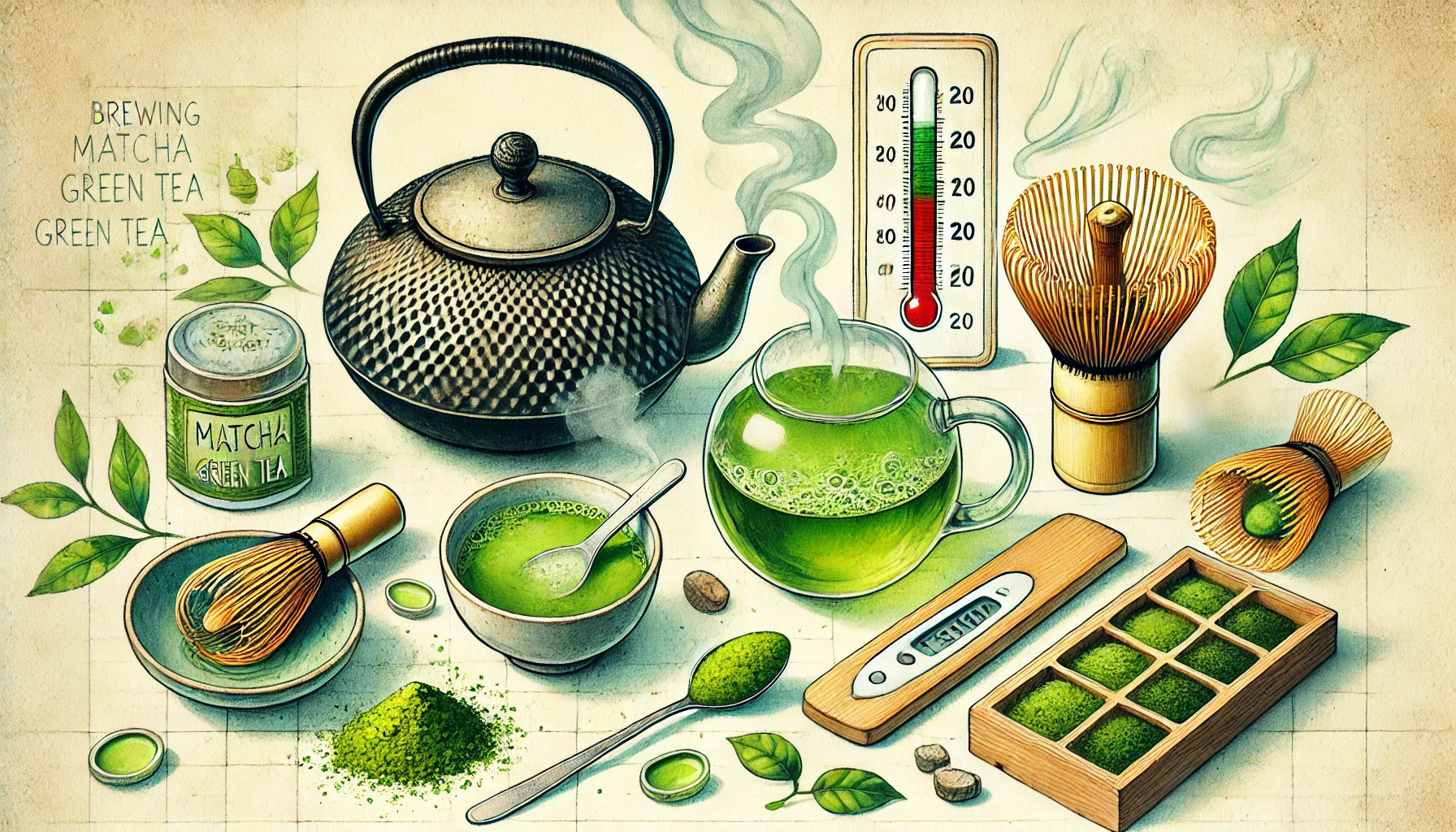
The Importance of Water Temperature in Matcha Brewing
The ideal water temperature for brewing ceremonial matcha is 160°F to 175°F (70°C to 80°C). Never use boiling water (212°F / 100°C), as excessive heat scorches the delicate ground tea leaves, destroys sweet L-theanine, and produces an unpalatably bitter taste with a dull brownish froth. If you don't have a thermometer, let boiling water rest for 4 to 5 minutes, or use the traditional Japanese Yuzamashi vessel transfer technique.
Matcha, a finely ground green tea powder, has been an integral part of Japanese culture and ceremonies for centuries. Unlike other teas, matcha’s preparation and consumption involve a unique process that directly influences its flavor, color, and nutritional benefits. Understanding the role of water temperature in matcha brewing transforms an ordinary preparation into an authentic sensory ritual. When heated with care, matcha releases gentle vegetal sweetness rather than harsh bitterness.
Understanding Matcha Green Tea and Its Unique Brewing Requirements
Matcha green tea is distinct from other teas due to its comprehensive preparation and consumption method. Originating from Japan, matcha involves a meticulous process from cultivation to grinding, where the tea leaves are shaded before harvest to boost chlorophyll levels and enhance the tea’s umami flavor. Unlike traditional tea that is steeped and removed, matcha powder is whisked into water, creating a frothy, rich beverage consumed in its entirety.
The unique brewing requirements of matcha stem from its powder form and the desire to preserve its delicate flavors and health-promoting compounds. The temperature of the water used to whisk matcha directly determines the extraction of amino acids and catechins, making it essential to understand and apply the correct brewing techniques.
The Critical Role of Water Temperature in Matcha Preparation
Water temperature is vital in the preparation of matcha, significantly affecting the tea’s flavor profile, color, and nutritional content. The ideal water temperature for matcha is between 70°C to 80°C (158°F to 176°F), a range that ensures the powder dissolves properly without scalding the delicate tea leaves.
Using water within this temperature range helps to extract the perfect balance of matcha’s natural umami, slight bitterness, and underlying sweetness. It also preserves the vibrant green color and maximizes the release of antioxidants, making the tea not only more enjoyable to drink but also more beneficial for health. Precise temperature control is necessary to avoid astringency and bitterness that can result from too high temperatures, ensuring a smooth, frothy, and enjoyable cup of matcha every time.
Debunking Myths Around Using Boiling Water for Tea Brewing
A prevalent myth in tea brewing is the notion that boiling water is universally suitable for all types of tea. This misconception can lead to improperly brewed teas, especially delicate varieties like matcha, sencha, and gyokuro. Boiling water (100°C or 212°F) can cause over-extraction of bitter compounds and destroy the nuanced flavors and healthful elements of green teas.
Specifically, for matcha, using boiling water not only diminishes its delicate flavor profile but also affects the nutritional benefits, leading to a loss of antioxidants and a change in color from vibrant green to a dull brownish hue. It’s essential to allow boiling water to cool to the recommended temperature range before brewing matcha to ensure the best results.
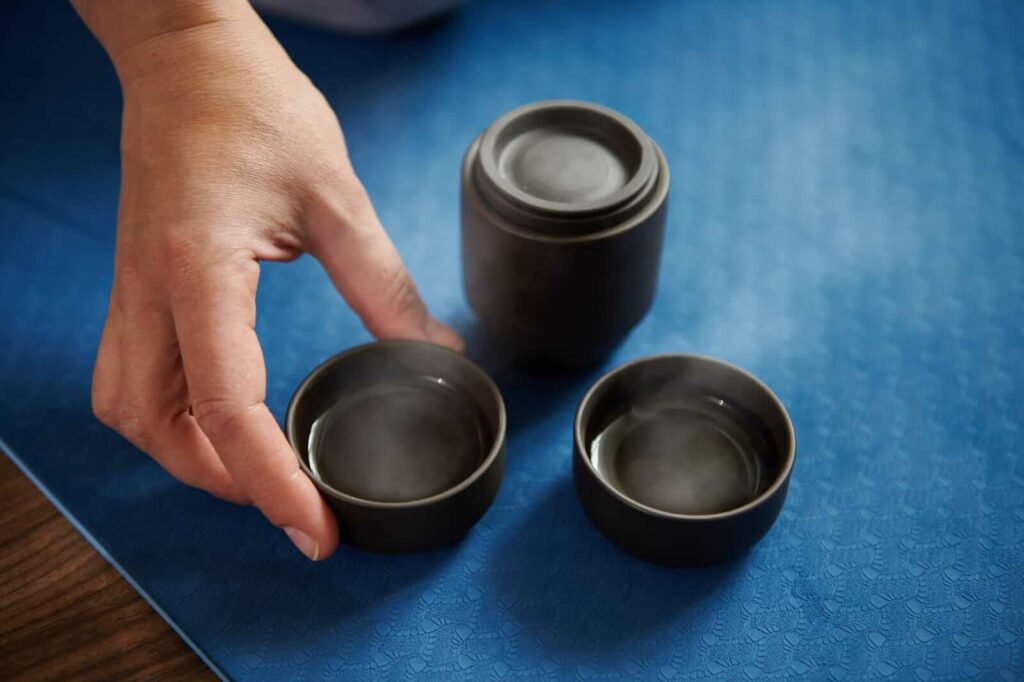
Understanding Water Temperature for Matcha
Matcha Water Temperature Cheat Sheet
| Preparation Style | Ideal Temp (°F) | Ideal Temp (°C) | Sensory Result |
|---|---|---|---|
| Ceremonial Usucha (Thin Tea) | 160°F to 175°F | 70°C to 80°C | Creamy jade microfoam, silky sweet umami, balanced finish |
| Koicha (Thick Tea) | 150°F to 160°F | 65°C to 70°C | Ultra-rich, syrupy broth, zero astringency |
| Matcha Latte / Culinary | 165°F to 175°F | 75°C to 80°C | Robust flavor that cleanly cuts through frothed milk |
| Cold Brew / Iced Matcha | 35°F to 60°F | 2°C to 15°C | Crisp, bright, naturally sweet; shake vigorously with ice |
Matcha, a finely ground powder from specially grown and processed Japanese green tea leaves, has captivated tea enthusiasts worldwide with its vibrant color, unique flavor, and rich health benefits. However, achieving the perfect cup of matcha is as much a craft as it is a science, particularly when it comes to water temperature. Understanding the science behind heat sensitivity reveals how temperature governs matcha’s flavor, aroma, and antioxidant bioavailability.
How Water Temperature Affects the Flavor, Aroma, and Health Benefits of Matcha
Water temperature is the primary dial controlling the extraction of matcha, shaping its taste, aroma, and nutritional profile. Using water that is too hot triggers rapid dissolution of bitter and astringent catechins, overshadowing matcha’s natural sweetness and umami richness. Conversely, water that is not hot enough fails to fully awaken aromatic compounds and leaves an underwhelming, chalky texture.
The ideal temperature for matcha is between 70°C to 80°C (158°F to 176°F). At this range, the heat is sufficient to extract the tea’s vibrant flavors without degrading delicate amino acids like L-theanine. These amino acids promote focused relaxation and balance the stimulating effects of caffeine. Achieving the right temperature ensures a cup of matcha that delivers its full spectrum of sweet, savory, and antioxidant-rich qualities.
The Science Behind Matcha’s Sensitivity to Water Temperature
Matcha’s unique sensitivity to water temperature stems from its whole-leaf consumption method. Unlike steeped teas where leaves are discarded, stone-ground matcha powder dissolves directly into suspension, meaning every sip delivers whole-leaf solids directly to your palate.
Excessive heat damages the leaf's chlorophyll, converting it into olive-toned pheophytin and degrading epigallocatechin gallate (EGCG) antioxidants into harsher astringent compounds. Managing water heat preserves this molecular integrity, ensuring that each bowl retains its brilliant emerald foam and smooth finish.
Comparing the Temperature Requirements of Matcha to Other Japanese Green Teas
While matcha’s brewing temperature requires care, it fits into a broader tradition of Japanese green tea temperature management. Sencha is typically brewed around 80°C to 85°C (176°F to 185°F) to balance vegetal brightness with subtle sweetness. Gyokuro, prized for intense umami, demands even cooler water around 50°C to 60°C (122°F to 140°F) to prevent bitter compounds from overwhelming the palate.
Each Japanese green tea has its own ideal brewing temperature, reflecting the precision required in traditional tea preparation. Understanding these requirements helps tea lovers explore the wide spectrum of Japanese green tea with confidence.
Water temperature plays a foundational role in the preparation of matcha and traditional green teas. By respecting the delicate thermal balance required to preserve flavor and aroma, tea enthusiasts elevate their daily ritual into an artful, centering experience.
The Art of Preparing Water for Matcha
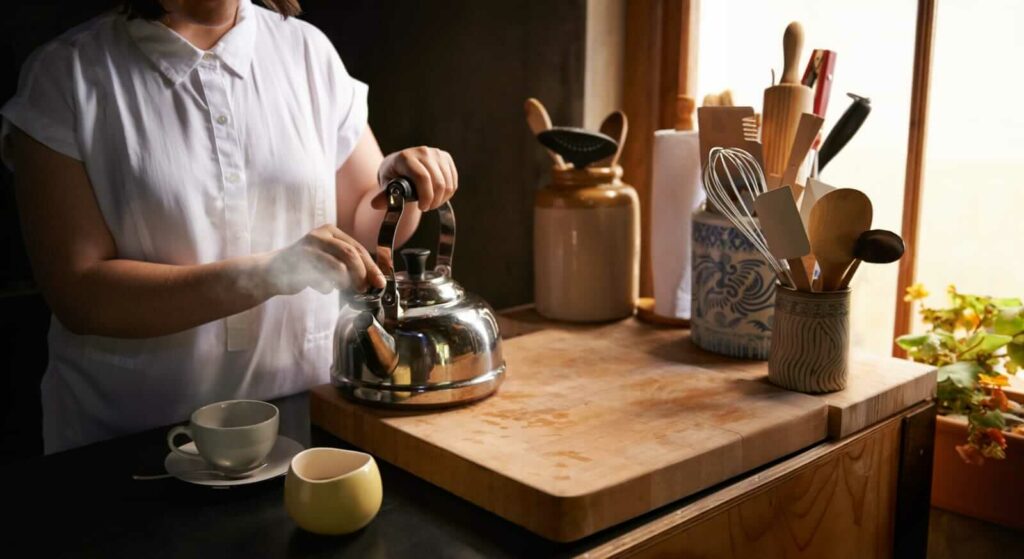
Brewing matcha is a ritual that transcends mere tea preparation, inviting an appreciation for the subtleties of taste, aroma, and color that this unique beverage offers. Central to this ritual is the art of preparing water, a critical factor that influences the final quality of matcha. From mastering water temperature to understanding the impact of water quality, let’s explore how to perfect the water for your matcha tea.
Mastering Water Temperature: A Step-by-Step Guide
Achieving the optimal water temperature for matcha is essential to extract its delicate flavors without compromising its health benefits. Here’s how to heat water to the perfect temperature for brewing matcha, ensuring a balance of umami, sweetness, and astringency in your tea:
- Start with Cold, Fresh Water: Begin with cold, filtered, or spring water in your kettle. Cold water carries dissolved oxygen that helps open up the tea's subtle aromas.
- Heat the Water: If you have an electric variable-temperature kettle, set it directly between 160°F and 175°F (70°C to 80°C). If using a standard kettle, bring water to a boil, turn off the heat, and allow it to rest with the lid off for 4 to 5 minutes.
- The Japanese Yuzamashi Transfer (No-Thermometer Method): Traditional tea masters cool water naturally through vessel transfer: pouring boiling water into a cooling cup (yuzamashi) or pitcher instantly drops it by about 10°C (18°F). Pouring it again into your chawan (matcha bowl) to warm the ceramic drops it another 10°C, bringing the water precisely into the safe 160°F to 175°F sweet spot.
- Warm and Dry Your Bowl: Discard the warming water from your chawan and wipe it clean with a fresh cloth (chakin). Sift 1 to 2 bamboo scoops (approx. 2 grams) of matcha powder to eliminate clumps.
- Whisk with Intention: Pour approximately 2 to 2.5 oz (60 to 70 ml) of your prepared hot water over the sifted powder. Using a bamboo whisk (chasen), whisk briskly from your wrist in a gentle "W" or "M" motion until a dense, velvety jade microfoam covers the surface.
Tools and Gadgets to Measure and Control Water Temperature Accurately
Accurately measuring and controlling water temperature is essential for brewing the perfect cup of matcha. Here are some tools and gadgets that can help:
- Electric Kettles with Temperature Control: These kettles allow you to set a specific temperature, taking the guesswork out of heating water.
- Kitchen Thermometers: A good thermometer can measure the water temperature accurately, ensuring you hit the sweet spot for brewing.
- Thermometer Strips: Some teapots come with thermometer strips that change color at certain temperatures, offering a visual cue for readiness.
Using these tools, you can achieve precise temperature control, enhancing your matcha tea’s flavor and health properties.
The Impact of Water Quality on Matcha Taste and How Tap Water Compares to Filtered or Bottled Water
The quality of water used to brew matcha significantly affects its taste, aroma, and overall tea-drinking experience. Here’s how different types of water impact the flavor of matcha:
- Tap Water: The chlorine and minerals in tap water can alter the taste of matcha, making it less enjoyable. In areas with high-quality tap water, this may be less of an issue.
- Filtered Water: Using filtered water can remove impurities and chlorine, resulting in a cleaner taste that allows the matcha’s flavors to shine.
- Bottled Water: High-quality bottled water can provide a neutral base for brewing matcha, though it’s essential to consider the environmental impact.
For the best taste of matcha, filtered or bottled water is recommended, especially if your tap water is hard or heavily chlorinated. The goal is to use water that complements the matcha, enhancing its natural flavors without introducing any unwanted tastes.
Troubleshooting Common Matcha Brewing Mistakes
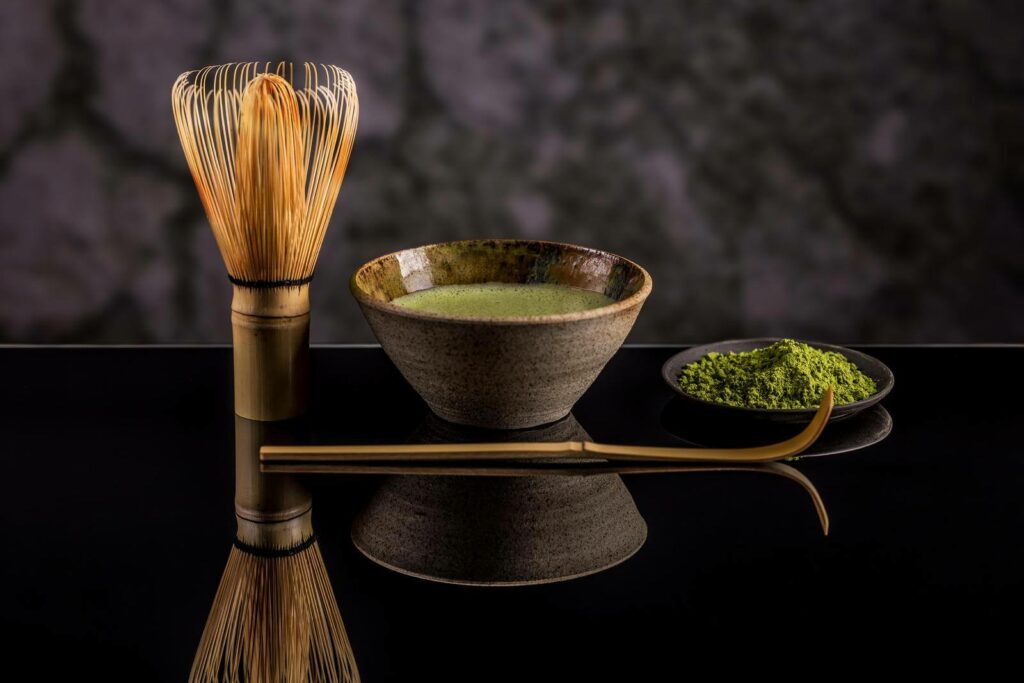
Matcha offers a unique taste and a remarkable concentration of antioxidants. However, achieving balanced froth and texture requires managing water temperature with intention. Understanding how water temperature affects flavor helps troubleshoot common mistakes and refine your technique.
How Incorrect Water Temperature Can Lead to Common Matcha Brewing Mistakes
The temperature of the water used to brew matcha is a governing factor that significantly impacts the tea’s taste, aroma, and color. Using water that’s too hot is a common mistake that can lead to a bitter taste, destroying the delicate balance of flavors matcha is known for. This excessive heat can also diminish the health benefits matcha offers by degrading vital antioxidants and nutrients. On the other hand, water that’s too cold might not fully activate the tea’s aromatic compounds, resulting in a flat, underwhelming taste and a lack of the signature frothy texture.
The key to avoiding these pitfalls is understanding that temperature control is essential for unlocking the full potential of matcha, allowing for a cup that’s rich in flavor, vibrant in color, and loaded with health benefits.
Tips for Adjusting Temperature to Refine Taste and Aroma
Achieving the perfect balance of taste and aroma in your matcha requires not just skill but also an understanding of how to manipulate water temperature effectively. Here are some practical tips:
- Start with the Right Temperature: Aim for water between 70°C to 80°C (158°F to 176°F). If you don’t have a thermometer, bring the water to a boil and then let it cool for about 5 minutes to reach the desired range.
- Cool Boiling Water Quickly: Pour boiling water into another container to speed up the cooling process, or add a small amount of cold water to reduce the temperature more rapidly.
- Preheat Your Matcha Bowl: Pour some warm water into your matcha bowl (chawan) before brewing to temper it. This step helps maintain the water at the right temperature when you add it to the matcha powder.
- Adjust Based on Preference: Experiment with slight variations within the recommended temperature range to find the perfect balance that suits your taste. Lower temperatures tend to bring out the tea’s sweetness and umami, while slightly hotter water can enhance its astringent qualities.
Maintaining the Fine Brew Quality of Ceremonial Grade Matcha Through Proper Water Temperature Management
Ceremonial grade matcha, revered for its superior quality and exquisite flavor, demands meticulous attention to water temperature to preserve its integrity. This high-grade matcha is best enjoyed when its complex flavor profile, consisting of a harmonious blend of sweetness, umami, and a gentle hint of bitterness, is fully expressed.
To ensure consistency in every cup:
- Use Filtered or Spring Water: The purity of the water can affect the taste of the matcha. Using filtered or spring water can enhance the natural flavors of high-grade matcha.
- Monitor Temperature Precisely: Invest in a reliable kitchen thermometer to measure water temperature accurately. Consistency is key to replicating the perfect brew each time.
- Practice and Patience: Like any art, brewing matcha to perfection takes practice. Be patient and attentive to how changes in temperature affect the outcome of your brew.
Frequently Asked Questions
What happens if you brew matcha with boiling water?
Brewing matcha with boiling water (212°F / 100°C) scorches the stone-ground tencha particles. Excessive heat instantly breaks down sweet L-theanine amino acids, turns green chlorophyll into a dull brownish-yellow color, and over-extracts astringent catechins, resulting in a harsh, unpleasantly bitter bowl.
How do I get 175°F water without a thermometer?
Bring tap-filtered water to a boil, then remove the kettle lid and let it rest on the counter for 4 to 5 minutes. Alternatively, use the traditional Japanese Yuzamashi method: pouring boiling water into a separate ceramic pitcher cools it by approximately 18°F (10°C), and pouring it into your preparation bowl drops it another 18°F, landing precisely in the 160°F to 175°F range.
Should thick tea (koicha) use a different water temperature than thin tea (usucha)?
Yes. Ceremonial thick tea (koicha), which uses twice the powder and half the water of thin tea (usucha), benefits from slightly cooler water around 150°F to 160°F (65°C to 70°C). This lower temperature creates a syrupy, rich liquor with concentrated umami and zero harsh astringency.
Deepen Your Matcha Journey
Mastering the art of preparing water for matcha is essential for anyone looking to enjoy this traditional Japanese tea to its fullest. To protect your tea before it ever touches water, discover how to store matcha powder to keep it fresh and vibrant green. Whether you are exploring our guide to choosing green tea for daily health or comparing the best green tea brands for metabolism, paying mindful attention to storage and temperature ensures each bowl is a celebration of flavor, vibrant jade color, and quiet harmony.

Vivian Li
Dedicated green tea researcher and curator exploring the cultural and scientific depths of tea.