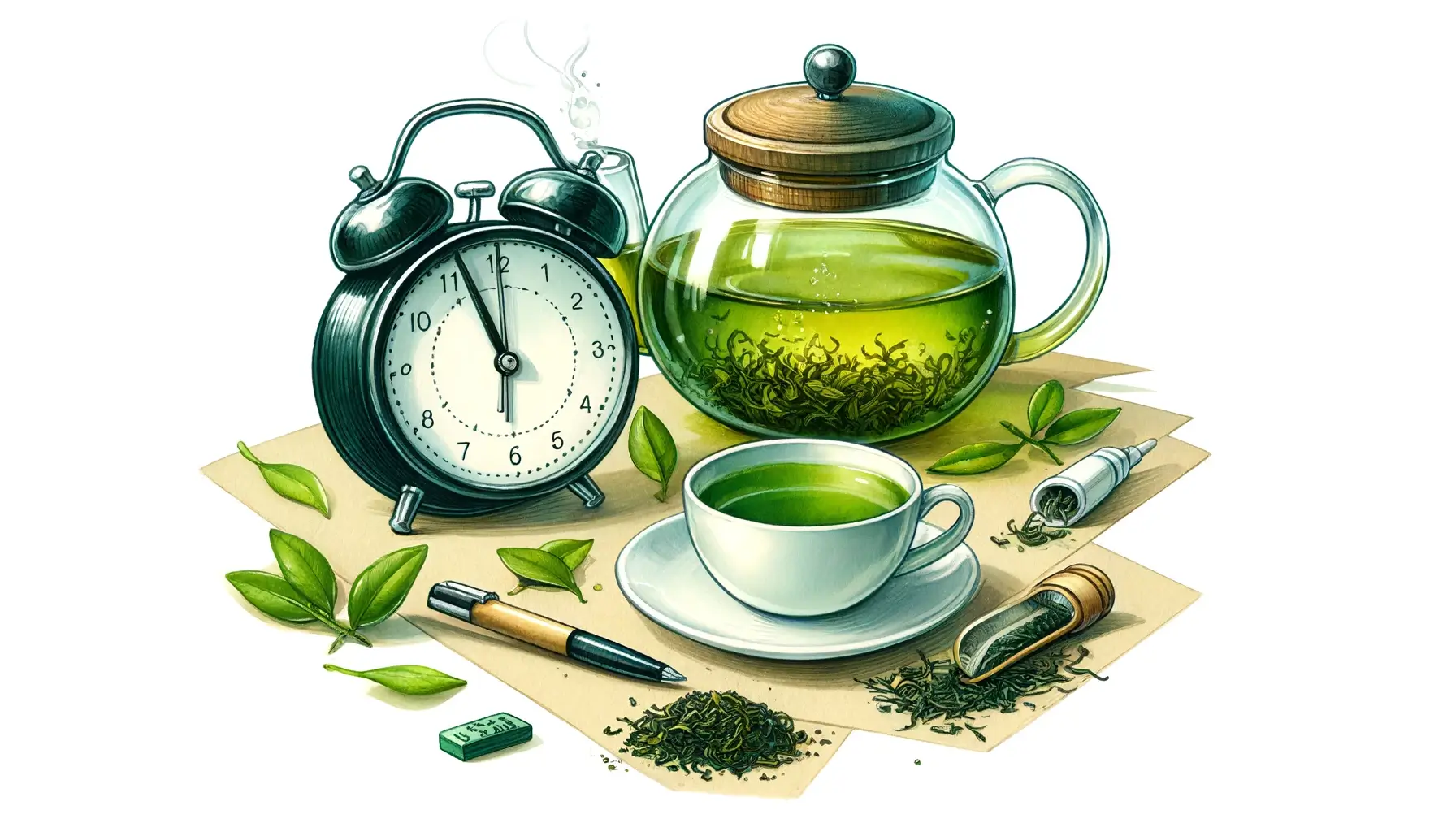
The Green Tea Journey
Choosing the best green tea for daily health comes down to your personal wellness ritual: Matcha provides the greatest antioxidant density because the whole stone-ground leaf is savored; Sencha offers the quintessential daily balance of Vitamin C and metabolism-boosting catechins; while Genmaicha and Gyokuro provide gentle comfort, whether for calming focus or an easy, soothing afternoon cup.
From its ancient roots in East Asia to becoming a staple in the modern wellness movement, green tea has embarked on a remarkable journey. This versatile beverage is celebrated not only for its soothing taste and ceremonial significance but also for its numerous health benefits. Understanding how green tea became a cornerstone of health-conscious living reveals the cultural traditions that have shaped its daily consumption through the centuries.
Green Tea: A Staple in the Modern Wellness Movement
In recent years, green tea has solidified its reputation as a key component of the health and wellness landscape. Its rise in popularity is backed by a growing body of scientific evidence pointing to its potential in aiding weight management, improving brain function, and lowering the risk of chronic diseases such as heart disease and diabetes. These health benefits are attributed to green tea’s high antioxidant content, particularly its catechins, which can neutralize harmful free radicals and reduce inflammation.
The versatility of green tea, available in traditional loose-leaf, convenient tea bags, and even ready-to-drink formats, has made it a favorite among a wide demographic. Its mildly stimulating effect, courtesy of its caffeine content, offers a gentler alternative to coffee, making green tea an ideal choice for those seeking a healthful energy boost.
The trend extends beyond the beverage itself, with green tea extracts finding their way into a plethora of health supplements and skincare products. This broad embrace reflects a wider societal shift towards natural, preventive health strategies and a more holistic approach to wellness.
A Steeped History: The Cultural Heritage of Green Tea
The origin of green tea consumption stretches back thousands of years, deeply rooted in the traditions of countries like China and Japan. Initially valued for its medicinal properties, green tea evolved into a daily beverage, woven into the cultural and social rituals of East Asian societies.
In China, where green tea is revered as one of the seven essentials of life, the Tang and Song dynasties were fundamental to the development of tea culture. It was during the Tang dynasty that Lu Yu penned “The Classic of Tea,” a seminal work detailing the philosophy and artistry of tea drinking, marking the beginning of tea’s ceremonial importance in Chinese culture.
Japan’s contribution to tea culture is the tea ceremony, or Chanoyu, a highly ritualized practice that emphasizes harmony, respect, purity, and tranquility. The introduction of matcha during the Kamakura period enriched the ceremonial use of green tea, linking it to Zen Buddhism and the pursuit of mindfulness and aesthetic beauty.
These historical narratives underscore green tea’s significance beyond its health benefits, highlighting its role in fostering social bonds, spiritual reflection, and artistic appreciation. The enduring legacy of green tea, from its roots in ancient medicine to its contemporary status as a symbol of wellness and cultural heritage, continues to captivate tea enthusiasts around the world.
Understanding Green Tea Varieties
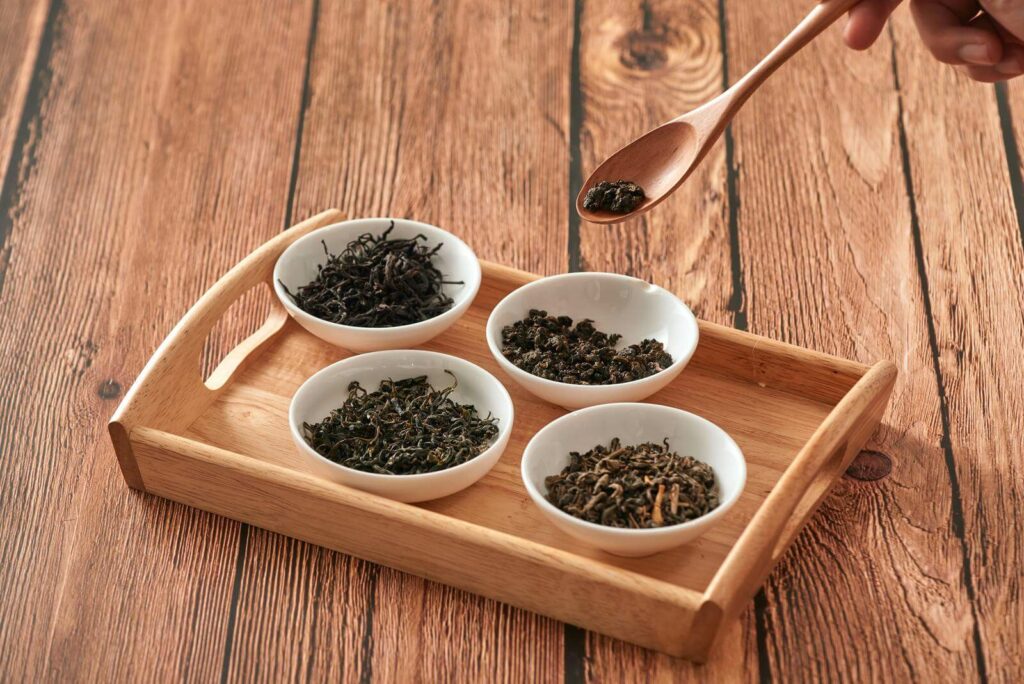
Green tea, with its rich history, complex flavors, and myriad health benefits, has captivated the hearts of many across the globe. It’s not just a beverage; it’s an experience, a ritual, and for many, a way of life. Today, let’s dive into the world of green tea, exploring its varieties, understanding its authenticity, and discovering why Sencha has become a daily favorite for tea lovers everywhere.
Green Tea Varieties Decoded: From Sencha to Matcha and Beyond
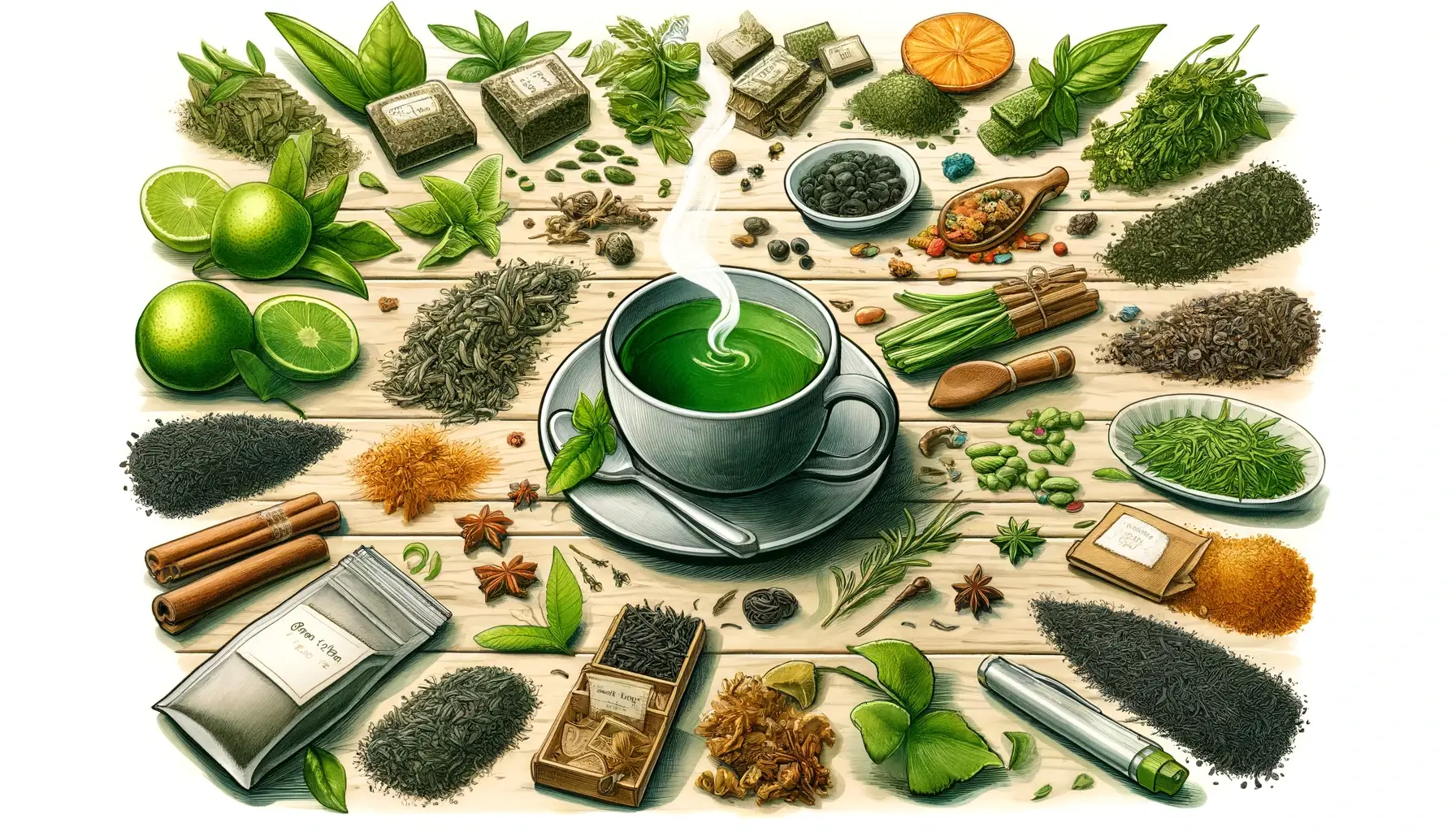
The green tea family offers a wide spectrum of distinct shades, textures, and flavor profiles. Each variety, from Sencha to Matcha, Gyokuro to Genmaicha, brings its own unique flavor, aroma, and color to the mix, thanks to distinct processing techniques and cultivation methods.
Sencha, often the introduction to Japanese green tea for many, is steamed to stop oxidation, resulting in a fresh, grassy flavor. Matcha, the powdered form of green tea, is made from shade-grown leaves, offering a bright green color and a rich, umami-packed taste. Gyokuro shares this shade-grown heritage, providing a sweet and mellow sip that’s truly sublime. Then there’s Genmaicha, a delightful blend of green tea leaves and roasted brown rice, giving it a nutty flavor that’s both comforting and satisfying.
Geography plays a fundamental role in the character of each tea. The soil, climate, and elevation where these teas are grown contribute to their unique profiles, making the act of sipping green tea a journey through the landscapes of Japan and beyond. As you explore these varieties, you’ll begin to appreciate the nuances that make each type of green tea a special discovery.
The Best Types of Green Tea for Health: Finding Your Daily Brew
When friends ask me which green tea is truly "the best" for health, my answer is always that tea works best when it fits naturally into the rhythm of your day. Each variety offers distinct concentrations of polyphenols, L-theanine, and antioxidants:
- Matcha (The Antioxidant & Focus Powerhouse): Because you whisk and consume the whole leaf rather than steeping and discarding it, matcha delivers up to 3 to 10 times the EGCG (epigallocatechin gallate) of steeped teas. Paired with elevated L-theanine from shade-growing, it offers steady, jitter-free cognitive focus. Ideal for morning clarity or pre-workout energy.
- Sencha (The Everyday Metabolic & Cardiovascular Companion): Japan’s quintessential daily green tea is grown under open sunlight, sparking generous catechin production. Light, refreshing, and deeply revitalizing, it is the most approachable whole-leaf brew for daily hydration, heart wellness, and sustained metabolic support.
- Gyokuro (The Restorative Umami Elixir): Shaded for weeks prior to harvest, Gyokuro concentrates the highest natural levels of calming L-theanine. It produces a rich, brothy, savory umami note. While more prized and delicate, it is unmatched for moments of quiet meditation and stress relief.
- Genmaicha (The Comforting Digestive Brew): Blended with toasted brown rice, Genmaicha possesses a comforting, nutty aroma and roughly half the caffeine of pure green teas. It is exceptionally gentle on sensitive stomachs, making it a restorative companion alongside or after meals.
- Hojicha (The Soothing Evening Cup): Roasted over high heat in porcelain pots, Hojicha turns an earthy reddish-brown with virtually negligible caffeine and low astringency. It provides the warm, grounding comfort of roasted leaves when you want tea before bed without disrupting sleep.
How Authenticity Shapes Green Tea’s Flavor and Wellness Perks
Drinking green tea is as much about savoring its flavor as it is about embracing its health benefits. Authentic green tea, nurtured from high-quality green tea leaves, is a treasure trove of wellness, packed with antioxidants like catechins and theanine. These compounds not only enhance the tea’s flavor but also bolster its health benefits, including promoting heart health, boosting metabolic rate, and supporting brain function.
The authenticity of green tea is determined by its origin, how it was cultivated, and its processing methods. True, high-quality green tea retains the integrity of its flavor and health-promoting properties. Whether you’re enjoying a cup of loose leaf green tea or a finely ground matcha, the quality of the leaves and the care put into its production can elevate your tea experience, turning each sip into a moment of Zen and well-being.
Sencha Unveiled: Your Daily Cup of Wellness and Flavor
Sencha represents balanced harmony in the green tea world. Its interplay of sweetness, mild astringency, and savory umami makes it the ideal choice for everyday drinking. From first-flush spring leaves to precise steaming and rolling, Sencha reflects centuries of Japanese tea mastery.
But why has Sencha captured the hearts of so many? It’s the accessibility of its taste, the versatility in how it can be brewed, and the gentle energy it provides. Drinking a cup of Sencha is an invitation to pause, reflect, and rejuvenate. Its healthful properties, from supporting heart health to providing a bounty of antioxidants, make it not just a drink but a daily ritual for wellness.
To brew the perfect cup of Sencha, remember, the quality of water and the temperature are key. Use soft, spring water and heat it between 160°F and 175°F (70°C to 80°C), well below a rolling boil, to protect delicate catechins and avoid extracting harsh bitterness. Steep 2 grams of tea leaves for about one minute for a brew that’s just right, not too strong, not too light, but perfectly balanced.
The Importance of Quality in Green Tea
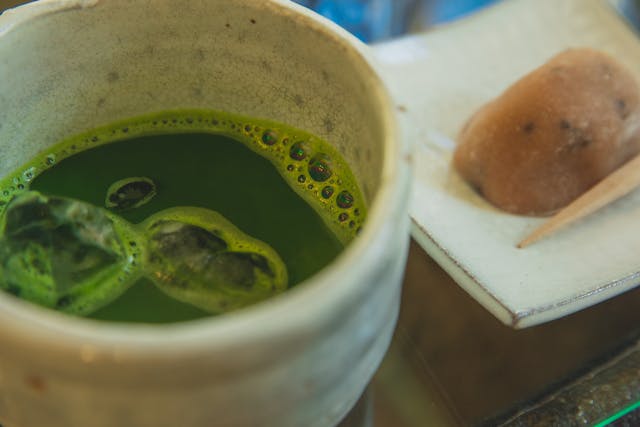
Green tea has enchanted drinkers around the world with its subtle flavors, aromatic delights, and a plethora of health benefits. Yet, navigating the vast ocean of green tea varieties can be overwhelming. How do you ensure the cup you’re sipping is not just good, but great? It all boils down to quality. Let’s dive into what makes quality in green tea so vital, guiding you to make informed choices that elevate your tea experience from ordinary to extraordinary.
Mastering the Art of Green Tea Selection: A Guide to Quality
Selecting the finest green tea is an art, honed by understanding the three pillars of quality: appearance, aroma, and source. When you hold high-quality green tea leaves, you’ll notice their vibrant green hue and uniformity, signs of meticulous processing. Bring the leaves closer, and a fresh, grassy scent should greet your senses, hinting at the natural essence captured within. The origin of these leaves is equally essential. Tea from renowned growing regions, cultivated with disciplined standards, delivers an authentic brew. Choosing thoughtfully allows you to savor a cup that reflects agricultural excellence.
How Superior Green Tea Enhances Taste and Health
The allure of high-quality green tea lies not only in its exquisite taste but also in the bountiful health benefits it offers. Rich in antioxidants, such as catechins, and nutrients, premium green tea unfolds a complex flavor profile that dances on the palate, a harmony of sweetness, bitterness, and umami. These high-grade leaves are more than just a pleasure to taste; they’re a boon to your health, potentially improving heart health, boosting metabolism, and more. The difference in quality is palpable, transforming each sip into a rich, sensory experience that low-grade teas simply cannot match. Embracing superior green tea means choosing a lifestyle where taste and wellness walk hand in hand.
Discovering Your Ideal Green Tea: Spotlight on Twinings and Bigelow
Venturing into the world of green tea can be daunting, but renowned brands like Twinings Green Tea and Bigelow Classic Green Tea make the journey inviting. Twinings, with its rich heritage, offers a spectrum of green teas, each with its unique character and appeal. Bigelow’s dedication to quality ensures every cup is a celebration of flavor and tradition. These brands stand as beacons of reliability and excellence in the tea community, making it easier for you to discover your ideal green tea. Whether you’re drawn to the classic notes of a traditional green tea or the nuanced blends infused with fruits and herbs, Twinings and Bigelow offer gateways to explore and enjoy the vast, vibrant world of green tea.
Brewing the Perfect Cup
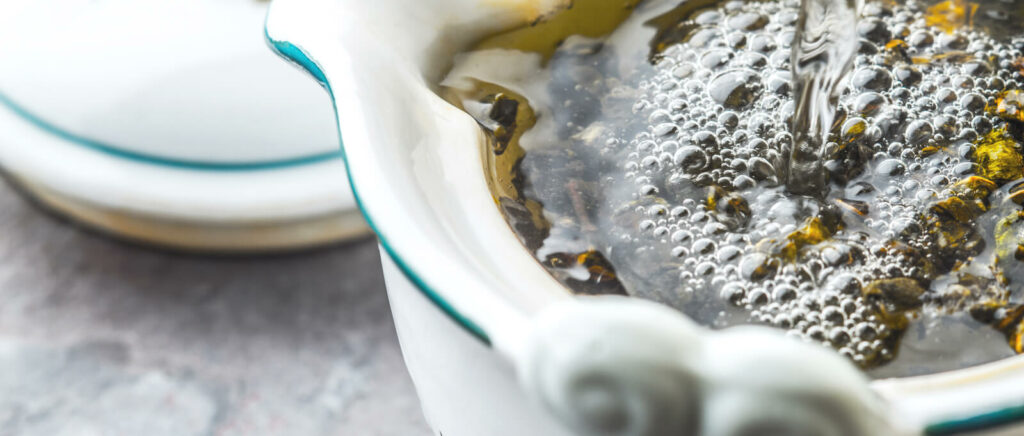
Welcome to the art and soul of tea brewing, where each step is a dance between tradition and personal touch, leading to the perfect cup of green tea. Whether you’re a seasoned tea enthusiast or new to the green tea world, mastering the brew can elevate your tea experience, making every sip a reflection of green tea’s rich heritage and restorative benefits. Let’s embark on this journey together, exploring the nuances of brewing green tea to perfection.
The Art of Green Tea: A Step-by-Step Brewing Guide
Welcome to the art and soul of tea brewing, a process where tradition meets personal touch, culminating in the perfect cup of green tea. Whether you’re well-versed in the nuances of tea or just beginning to explore the verdant world of green tea, mastering the art of brewing can transform your tea experience. Each sip reflects the authentic craftsmanship and restorative benefits of the leaf. Together, let’s journey through the steps to brew green tea to perfection.
Step 1: Selecting Your Green Tea
- Start with Quality Leaves: The foundation of a great cup of tea is high-quality green tea leaves. Whether your preference leans towards the fresh vibrancy of Sencha, the rich umami of Gyokuro, or the smoky undertones of Gunpowder, the key is to look for vibrant, green leaves. This vibrancy is a hallmark of freshness and quality, ensuring your tea not only tastes great but also offers the full spectrum of health benefits.
Step 2: Water Quality Matters
- Choose Soft, Spring Water: The water you use can significantly impact the taste of your green tea. Soft, spring water is ideal as it’s gentle on the tea leaves, allowing the tea’s subtle flavors to shine without being overshadowed by the mineral content of hard water. Remember, great tea starts with great water.
Step 3: Measuring Your Tea
- The Golden Ratio: A general guideline for green tea is to use about 2 grams of tea leaves for every 6 ounces of water. This ratio serves as a good starting point, but feel free to adjust according to your personal taste preferences. More leaves for a stronger brew, fewer for a lighter cup.
Step 4: Water Temperature Is Key
- Avoid Boiling Water: Green tea leaves are delicate, having been steamed or pan-fired to halt oxidation. Using boiling water can scorch these tender leaves, leading to a bitter taste. Aim for a water temperature between 150°F to 180°F, which can vary slightly depending on the variety of green tea you’re brewing. A cooler temperature preserves the delicate flavors and maximizes the release of antioxidants.
Step 5: Steeping Time
- Finding the Sweet Spot: The steeping time can greatly influence the flavor and health benefits of your green tea. A general rule is to steep your tea for 1 to 3 minutes. Shorter steeping times yield a lighter cup, while longer steeping allows for a deeper flavor profile. The best steep time is often a matter of personal preference, so don’t hesitate to experiment.
Step 6: Enjoy Your Perfect Cup
- Savor the Moment: Once your tea has steeped to your liking, it’s time to enjoy the fruits of your labor. Pour the tea into your favorite cup and take a moment to appreciate the aroma and color before taking your first sip. Green tea is a drink to be savored, offering a moment of calm and rejuvenation in your busy day.
Water Temperature and Steeping Time in Green Tea Brewing
The heart of brewing green tea lies in the harmony of water temperature and steeping time. These elements are the pillars supporting the bridge between tea leaf and cup, dictating the tea’s flavor, aroma, and health benefits.
Green tea thrives in cooler waters. Too hot, and its delicate flavors turn bitter; too cool, and you’ll miss out on the depth of its taste. Finding that sweet spot, typically between 150°F to 180°F, allows the tea to release its full spectrum of flavors without losing its soul to bitterness.
Steeping time is just as essential. While a quick dip might leave you with a brew too light to taste, an overly long steep can overshadow the inherent freshness of green tea with harshness. Aiming for a steep time of 1 to 3 minutes strikes the perfect balance, allowing the green tea to express its true character: refreshing, slightly grassy, and deeply rejuvenating.
Traditional Charms vs. Modern Convenience: Brewing Green Tea Your Way
In the dance of brewing green tea, tradition and modernity are partners, each bringing their own flair to the performance. For those drawn to the traditional ways, using a kyusu or a Chinese gaiwan can add layers of ritual and depth to your tea experience. These methods not only honor the tea’s heritage but also allow for a more intimate engagement with the brewing process, letting you adjust the strength and flavor of your tea with each pour.
Yet, modern life often calls for convenience, and here, green tea doesn’t disappoint. Tea bags, while not traditional, can offer a quick and easy way to enjoy green tea’s benefits. Look for high-quality, whole leaf green tea bags to ensure you’re not missing out on the tea’s full flavor profile. Whether steeping a bag in your office or enjoying a loose leaf brew at home, remember, the essence of green tea is its ability to adapt to water, to time, and to you.
Navigating Green Tea Brands and Products
In the world of tea, green tea holds a place of honor for its delicate flavors, health benefits, and rich cultural heritage. With a market as vast and diverse as the varieties it offers, finding your perfect green tea match can seem daunting. Yet, with a bit of knowledge and curiosity, the journey can become an enriching part of your tea experience. Let’s explore how to navigate the green tea landscape to discover your ideal brew.
Finding Your Perfect Green Tea Match in a World of Choices
The journey to finding your perfect green tea starts with understanding the variety of green tea available. From the fresh, grassy notes of Sencha to the deep, umami-rich flavors of Gyokuro, each type offers a unique taste profile. Begin by exploring these different types, paying attention to their origins, as the region can greatly influence the tea’s character due to climate, soil, and processing techniques.
Sampling various green teas is key. Many specialty tea shops offer sample sizes or tasting flights that allow you to explore different types without committing to a large purchase. Additionally, reading reviews and seeking customer feedback can provide insights into the nuances of each tea’s flavor and aroma.
When choosing your green tea, consider the form it comes in. Loose leaf tea often offers the best quality and flavor complexity, allowing you to experience the tea’s full aroma and depth. However, for those seeking convenience, high-quality tea bags from reputable brands can also provide a satisfying cup.
Organic and Ethically Sourced: The Conscious Choice in Green Tea
In today’s market, the terms “organic” and “ethically sourced” are more than just buzzwords; they are assurances of quality and sustainability. Organic green tea is cultivated without synthetic fertilizers or pesticides, offering a cleaner cup that’s better for your health and the planet. Ethical sourcing ensures that the tea you enjoy supports fair labor practices and provides equitable compensation to farmers and workers.
Choosing organic and ethically sourced green tea means supporting practices that contribute to the sustainability of the tea industry. Look for certifications and labels that indicate organic farming practices and ethical sourcing commitments. This conscious choice not only impacts the quality of the tea but also supports the wellbeing of the global tea community and the environment.
Understanding Labeling: What Terms Like “Authentic” and “Quality Green Tea” Really Mean
Navigating the terms on green tea packaging can be perplexing. “Authentic” and “quality green tea” are phrases often seen, but their meaning can vary. Authentic green tea should be true to its origin, made using traditional methods that preserve its character and benefits. Quality green tea, on the other hand, is determined by freshness, flavor, and the presence of beneficial compounds like antioxidants.
To assess authenticity and quality, look for details about the tea’s origin, harvesting season, and processing methods. Whole leaf green teas, with their intact leaves, generally offer superior taste and health benefits compared to teas made from broken leaves or dust. Remember, the best quality green tea is one that resonates with your taste preferences and meets your standards for production and sourcing.
Daily Green Tea Selection: Comparison by Routine and Health Goal
| Variety | Best Time of Day | Caffeine Level | Primary Health Benefit | Flavor Profile | Daily Cost |
|---|---|---|---|---|---|
| Sencha (Loose Leaf) | Morning to early afternoon | Moderate (25 to 35mg) | High catechins (EGCG), cardiovascular & metabolic health | Crisp, grassy, balanced vegetal sweetness | Economical ($0.30 - $0.50 / cup) |
| Matcha (Whisked Powder) | Morning / Pre-workout | High (60 to 70mg) | Whole-leaf antioxidants, sustained alpha-wave focus | Bold umami, creamy, naturally sweet | Premium ($0.80 - $1.50 / cup) |
| Gyokuro (Shaded Leaf) | Mid-day quiet moments | High (40 to 50mg) | High L-theanine, deep stress reduction & mental clarity | Brothy, savory, intensely rich umami | Luxury ($1.20 - $2.50 / cup) |
| Genmaicha (Toasted Rice Blend) | Lunchtime or post-meal | Low (12 to 18mg) | Gentle on digestion, soothing stomach comfort | Warm, toasted rice, nutty, mild | Highly accessible ($0.25 - $0.45 / cup) |
| Hojicha (Roasted Green Tea) | Late afternoon or evening | Minimal (5 to 10mg) | Low tannins, relaxation without sleep disruption | Smoky, nutty, caramelized, earthy | Highly accessible ($0.25 - $0.40 / cup) |
Frequently Asked Questions: Choosing Green Tea for Daily Drinking
How many cups of green tea should you drink daily for optimal health benefits? Most clinical research suggests drinking 2 to 3 cups (16 to 24 ounces) of green tea daily provides an effective dose of 200 to 300 mg of EGCG catechins and 30 to 50 mg of L-theanine. This intake supports cardiovascular wellness and metabolic function without exceeding recommended daily caffeine thresholds.
Can you drink green tea on an empty stomach first thing in the morning? Drinking strong, high-tannin green tea (like sencha or gunpowder) on an empty stomach can stimulate excess gastric acid secretion and cause temporary nausea in sensitive individuals. If drinking tea before breakfast, choose a low-tannin roasted variety like Hojicha, a gentle toasted Genmaicha, or enjoy your green tea alongside a light snack.
What is the best green tea for beginners to start drinking daily? Sencha is the best starting point for most drinkers because of its balanced profile of light vegetal sweetness and crisp finish. For those who find pure green tea slightly bitter, Genmaicha (blended with toasted brown rice) offers an exceptionally smooth, nutty taste that requires no sweetening.
Which green tea has the least caffeine for afternoon and evening consumption? Hojicha contains the least caffeine among green teas. The high-heat roasting process sublimates caffeine crystals and eliminates raw bitterness, making it an ideal post-dinner beverage that will not disturb your circadian rhythm or sleep.
To build the ideal home tea routine, explore our guide on how to store green tea to keep it fresh, master the correct water temperature for brewing matcha, or review our green tea steeping time guidelines.

Vivian Li
Dedicated green tea researcher and curator exploring the cultural and scientific depths of tea.