The Importance of Proper Tea Storage
In the quest for the perfect cup of tea, enthusiasts often focus on the origin, variety, and brewing techniques, but overlook a essential aspect that significantly affects the tea’s quality: storage. Proper tea storage is essential to preserve the delicate flavors, aroma, and health benefits of green tea. Let’s explore how improper storage can compromise green tea’s quality and examine the science behind tea oxidation, which leads to stale flavors.
The Impact of Proper Storage on Green Tea Quality and Freshness
Green tea, with its subtle flavors and rich antioxidant content, requires careful handling and storage to maintain its freshness and nutritional value. Improper storage conditions (such as exposure to air, light, moisture, and high temperatures) can rapidly degrade green tea, affecting its taste, aroma, and health-promoting properties.
Exposure to air accelerates oxidation, leading to a loss of the tea’s vibrant, grassy aroma and resulting in stale flavors. Moisture is another culprit, promoting mold and bacteria growth, which not only affects the tea’s taste but also poses health risks. Light and heat, on the other hand, can break down catechins, the antioxidants responsible for many of green tea’s health benefits, reducing its potency.
To preserve green tea’s quality, it is essential to store it in airtight containers away from light, moisture, and temperature fluctuations. By understanding and implementing proper storage techniques, tea lovers can ensure that each cup of green tea retains its intended freshness, flavor, and health benefits.
How Oxygen and Moisture Cause Green Tea Leaves to Oxidize and Go Stale
The freshness and complexity of tea’s flavor are significantly influenced by the oxidation process, which begins the moment the tea leaves are plucked. Oxidation, a natural chemical reaction, is carefully controlled during the processing of various tea types to develop their unique flavor profiles. However, post-processing oxidation, triggered by improper storage when tea is exposed to air, leads to the degradation of flavor compounds and diminishes the tea’s freshness.
This unwanted oxidation not only flattens the tea’s taste but also strips away the nuanced flavors that define high-quality green tea. To combat this, tea should be stored in a manner that minimizes air exposure, such as in airtight containers or specially designed tea tins that protect the leaves from the oxidizing effects of air.
By understanding the oxidation process and its impact on tea, enthusiasts can take proactive steps to preserve the tea’s flavor integrity. Proper storage becomes not just a practice but a ritual that enhances the tea-drinking experience, ensuring that each brew offers the full spectrum of flavors and aromas intended by the tea master.
Understanding Tea Freshness
In the nuanced world of tea, the journey from leaf to cup is one of transformation, where meticulous care at every step ensures the preservation of the tea’s inherent freshness and vitality. This journey, particularly for green tea, reflects the art and science that underpin tea production, aiming to deliver a sensory experience that captivates and delights. Let’s explore the critical stages that ensure green tea’s freshness and the external factors that threaten it, offering insights into how best to preserve the essence of this beloved beverage.
Essential Steps Ensuring Green Tea’s Freshness
The path to preserving green tea’s freshness begins in the fields and is meticulously carried through to processing and packaging. The timing of the harvest is paramount, with early spring offering young leaves that are tender and rich in flavor. These leaves are then processed through steaming or pan-firing, a step that halts oxidation and locks in the green tea’s distinctive taste and aroma. The precision in processing not only characterizes the tea but ensures that its freshness is encapsulated within each leaf.
Packaging serves as the final guardian of this freshness. Vacuum-sealing tea in airtight containers shields it from environmental aggressors, maintaining its quality from the moment it’s processed until it reaches your cup. This trilogy of harvesting, processing, and packaging forms the backbone of green tea production, each stage carefully orchestrated to preserve the tea’s freshness, flavor, and nutritional value.
The Four Adversaries of Tea Freshness: Air, Moisture, Light, and Temp
Despite the best efforts in harvesting, processing, and packaging, green tea’s freshness faces ongoing threats from four environmental factors: air, moisture, light, and temperature. Air exposure can trigger oxidation, diminishing the tea’s vibrant flavors. Moisture invites mold and bacteria, compromising the tea’s safety and taste. Light, especially direct sunlight, degrades chlorophyll and other compounds, affecting the tea’s color and flavor. Finally, high temperatures can accelerate these adverse effects, further compromising the tea’s quality.
To combat these adversaries, storing tea properly is paramount. Solutions include keeping tea in airtight containers away from light and moisture, at a stable room temperature, and in an environment that minimizes odor transfer. By understanding and mitigating these threats, you can significantly extend your tea’s shelf life, ensuring that each brew delivers the freshness, flavor, and health benefits you expect.
Best Practices to Store Green Tea and Loose Leaf Tea at Room Temperature
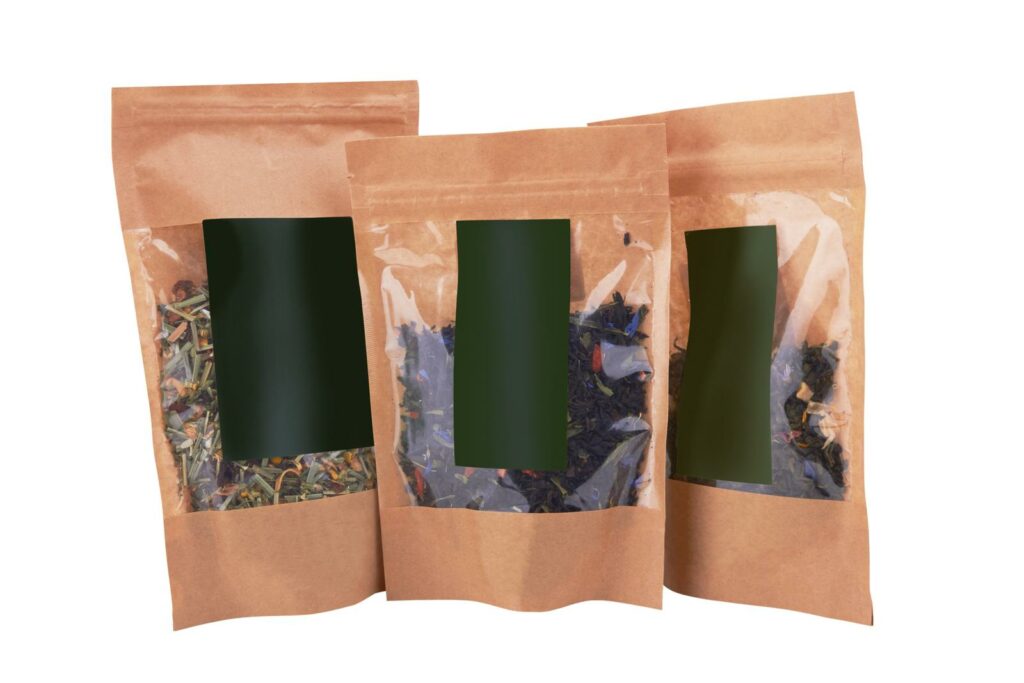
In the delicate dance of tea preparation, the act of storing your loose leaf green tea plays a fundamental role in ensuring that each cup retains the vibrancy, flavor, and health benefits intended by its growers and processors. Proper storage is not just about extending the life of your tea; it’s about preserving the essence of its origin, the effort of its cultivation, and the nuances that make each sip a journey. Let’s explore the best practices for storing your loose leaf green tea, focusing on the choice of containers, the benefits of specific container features, and tips for finding the perfect storage spot in your home.
Selecting the Right Storage Container and Tea Tin for Leaf Tea
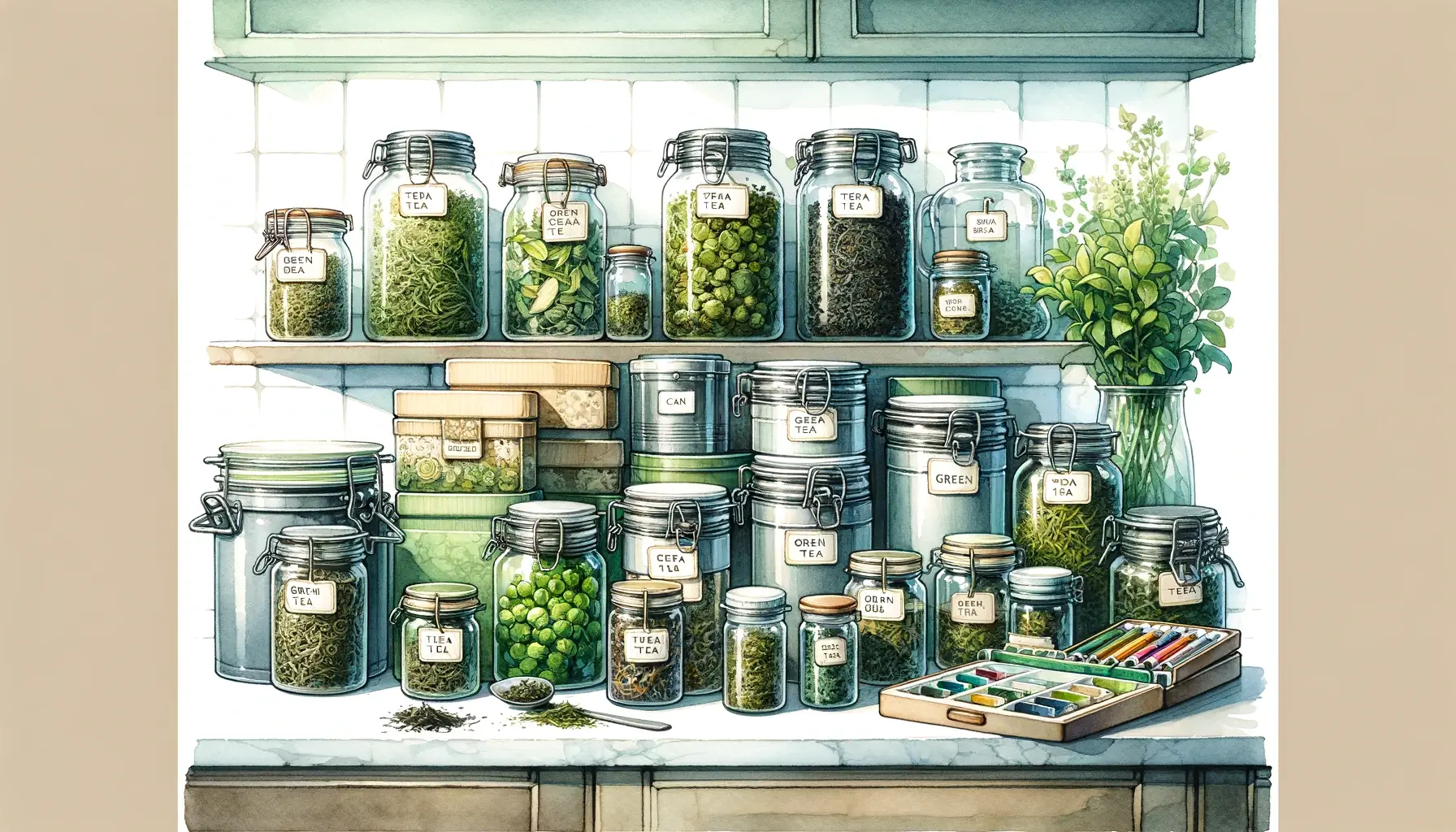
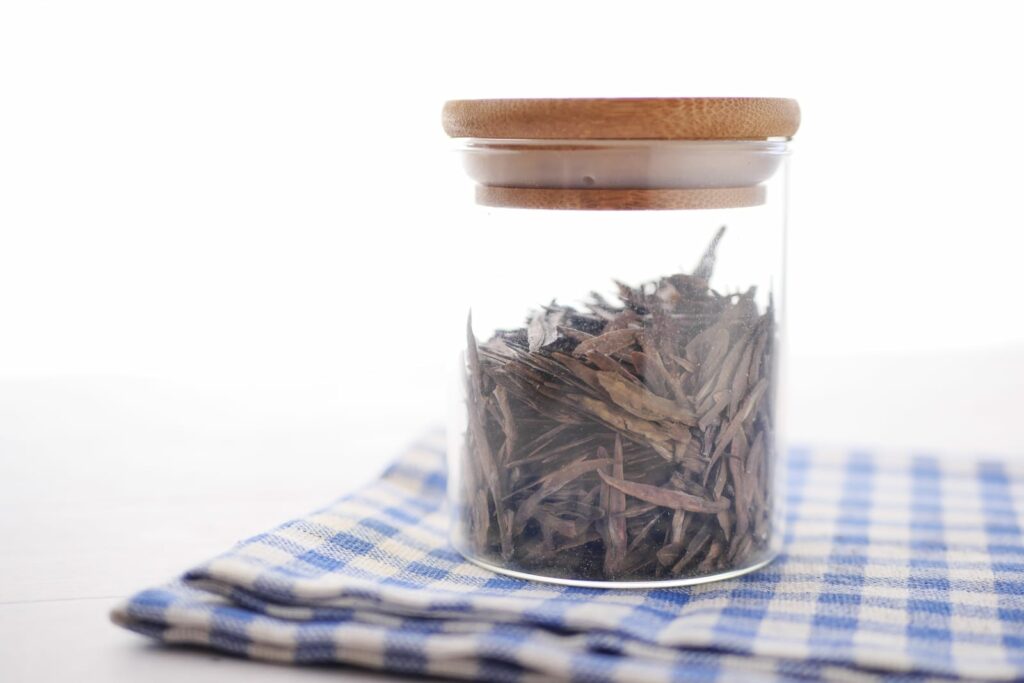
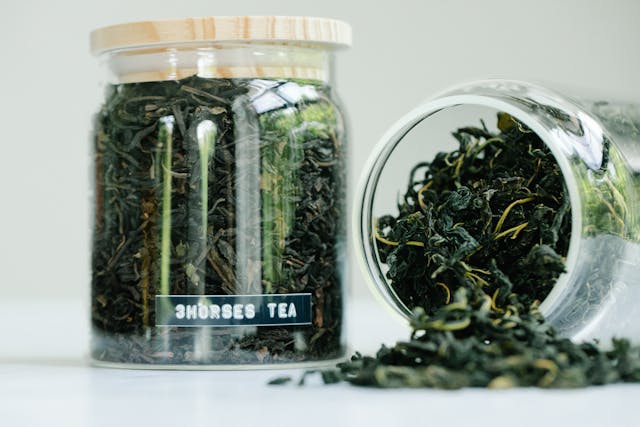
The sanctuary for your loose leaf green tea begins with selecting the right storage container. The ideal container must shield the tea from air, light, and moisture, three elements that can significantly compromise the tea’s quality. Airtight containers made of glass, ceramic, metal, or food-grade plastic are optimal choices. While glass and ceramic containers offer an inert environment that won’t affect the tea’s aroma, they should be placed in darker spots to minimize light exposure. Metal tins, favored for their opaqueness and effective air-sealing capabilities, are excellent for green tea storage, as are food-grade plastic containers, provided they do not interact chemically with the tea.
Selecting a container of the appropriate size is equally important; too much empty space can allow excess air to accelerate the tea’s oxidation. By choosing the right container, you create the first line of defense in preserving your green tea’s freshness and flavor.
Why Sealed Airtight Containers and Opaque Tins Keep the Tea Fresh
Airtight, opaque containers serve as the ultimate guardians of your green tea’s integrity. By providing an airtight seal, these containers prevent the oxidative processes that can lead to stale flavors and loss of aromatic complexity. Opaque materials further protect the tea from the harmful effects of light, preserving the chlorophyll and other beneficial compounds that contribute to the tea’s vibrant color and rich flavor profile.
Investing in containers that offer both airtight and light-blocking features is a critical step in tea storage, ensuring that your green tea remains as lively and potent as when it was first packaged. These containers act as a fortress, safeguarding the tea from environmental factors that hasten degradation.
Choosing the Ideal Environment and Temperature to Store Tea
The quest for the perfect storage location in your home is about finding a space that provides stability and protection from heat, humidity, light, and odors. To avoid temperature fluctuations that can lead to condensation, store your tea away from heat sources like stoves or heaters. High humidity areas, such as near dishwashers or bathrooms, should also be avoided to maintain the tea’s dry state. A dark cabinet or pantry offers an ideal environment, shielding the tea from light that can degrade its quality. Additionally, keeping your tea separate from strongly scented foods or spices will ensure that it does not absorb any external odors, preserving its unique flavor profile.
By thoughtfully selecting a storage spot that minimizes exposure to these adverse conditions, you provide your green tea with a serene environment that maintains its freshness and vitality, ready to be enjoyed at its best.
How to Store Packaged Green Tea Bags and Unopened Tea Foil Bags
In the serene world of tea, where each leaf tells a story of nature, culture, and art, the way we store our tea can significantly influence its narrative from harvest to cup. Proper storage is not just about keeping your tea fresh; it’s about preserving the journey of flavors, aromas, and health benefits encapsulated within each leaf. Let’s examine the best practices for storing your packaged green tea and tea bags, ensuring that every brew reflects the tea’s true essence.
Storing Unopened Factory-Sealed Green Tea Packages and Bags
When it comes to factory-sealed green tea and tea bags, the packaging is designed with the tea’s preservation in mind, acting as a first line of defense against environmental factors that can compromise its quality. To ensure these protective measures remain effective:
- Store factory-sealed packages in cool, dry places, away from any sources of heat, light, or moisture, which can accelerate degradation processes and impact the tea’s flavor and health benefits.
- Avoid areas prone to strong odors, as tea leaves are incredibly adept at absorbing the smells around them, which could alter their natural aroma and taste.
- Utilize spaces like pantries, cabinets, or drawers that provide a stable environment, shielded from the kitchen’s fluctuating temperatures and humidity levels.
Maintaining the integrity of the factory seal until you’re ready to enjoy the tea helps ensure that you’re greeted with the freshest flavors once you decide to brew.
How to Handle Opened Tea Packages to Prevent Stale Tea
The moment a tea package is opened, its contents are introduced to the very elements from which they were once protected. To keep the essence of your green tea vibrant:
- Transfer the tea to an airtight container as soon as possible. Materials like tin, glass, or ceramic are ideal, offering a neutral environment that won’t interact with the tea.
- If the original packaging is resealable and robust against air and moisture, it may continue to serve as an effective storage solution.
- Minimize the container’s size to reduce the amount of air that can circulate around the tea, which can speed up the oxidation process and lead to stale flavors.
- Label your containers with the date of opening, helping you keep track of freshness and ensuring an optimal tea-drinking experience.
By taking these steps, you can significantly prolong the life and quality of your open tea packages, savoring each leaf’s full potential.
Storing Green Tea in Refrigerator and Freezer: Condensation and Cold Storage
The decision to refrigerate or freeze your green tea is nuanced, with various factors to consider:
- Refrigeration is recommended for teas that you don’t plan on consuming immediately, acting as a measure to slow degradation in humid conditions. It’s imperative to use an airtight, moisture-proof container to avoid any condensation or odor transfer from other foods.
- Freezing can be suitable for long-term storage, especially for preserving high-quality teas. Ensure the tea is securely sealed to prevent any moisture from seeping in. Allow the tea to reach room temperature before opening to prevent condensation on the leaves, which could spoil the tea.
- Both methods require thoughtful consideration of the tea’s storage conditions and usage frequency. For most daily teas, keeping them in a cool, dry place away from light and odors will adequately preserve their freshness and flavor.
When Tea Goes Stale: How to Identify Old Tea and Spoiled Leaves
Diving into a cup of tea is akin to embarking on a sensory journey, where the aroma, color, and taste interplay to create an experience that transcends the mere act of hydration. However, like all journeys, the path of tea from leaf to cup can encounter detours, particularly when tea goes stale. Understanding the telltale signs of tea staleness can help ensure that each sip delivers the full, vibrant experience intended by its makers.
Telltale Signs of Stale Green Tea: Aroma, Color, and Fresh Taste Loss
Tea’s freshness can be gauged through its sensory attributes (aroma, color, and flavor), which are vivid indicators of its quality and vitality. Aroma is often the first casualty of staleness; what was once a lively bouquet of floral, grassy, or fruity notes can diminish into a flat or musty shadow of its former self. This loss in complexity is a clear signal that the tea is moving past its prime.
Color changes in the leaves or the brew are also telltale signs. Green teas, renowned for their bright, vibrant hue, may fade or adopt a brownish tinge, indicative of unwanted oxidation. This visual cue suggests that the tea’s natural compounds are deteriorating, moving away from their peak state.
When it comes to flavor, fresh tea boasts a distinct profile, be it bitter, astringent, sweet, or somewhere in between. Staleness mutes these characteristics, rendering the tea lackluster and sometimes leaving an unpleasant aftertaste. These changes in aroma, color, and flavor are vital indicators that your tea might no longer be in its youthful state, prompting a reassessment of how it’s stored or when it’s enjoyed.
Practical Steps to Determine if Your Green Tea Has Spoiled
While tea doesn’t “spoil” in the traditional sense, it can degrade to a point where its consumption is neither enjoyable nor recommended. To assess whether your tea has reached this stage, consider the following:
- Inspect the leaves or tea bags for any signs of moisture or mold. These are unequivocal signs that the tea is compromised and should be discarded.
- Smell the tea in its dry form. A lack of aroma or an off-smell is indicative of staleness. Fresh tea should greet you with a pleasant, characteristic fragrance.
- Brew a small sample and observe the color and clarity of the infusion. Deviations from the tea’s expected color or a murky appearance can signal deterioration.
- Taste the tea, noting any diminished flavor or the presence of off-notes. This final test is often the most telling, as the flavor is the culmination of the tea’s qualities.
Performing these evaluations can guide you in deciding whether to keep savoring your tea or to replace it. Tea, after all, is more than a beverage; it’s an experience that should be as rich and fulfilling as possible.
Special Storage Guidelines for Matcha, Sencha, and Japanese Green Tea
Specialty green teas, such as matcha and premium loose-leaf varieties, offer a world of exquisite flavors, vibrant colors, and profound health benefits. Their unique qualities, however, also make them particularly sensitive to storage conditions. Understanding how to properly store these teas can significantly impact their longevity, taste, and nutritional value.
Best Way to Store Matcha and Premium Japanese Green Tea Leaves
Matcha powder, derived from finely ground, shade-grown tea leaves, and premium green teas, known for their delicate flavors, require careful handling to maintain their exceptional quality. For matcha, its susceptibility to air, light, and moisture means it can quickly lose its characteristic vibrant color and subtle flavors if not stored correctly. The best way to keep matcha fresh is by using an opaque, airtight container and storing it in the refrigerator. The container must be moisture-free to prevent clumping and flavor degradation, ensuring that matcha retains its fine texture and depth of flavor.
Premium loose-leaf green teas also demand attention to storage. These should be kept in airtight, opaque containers at room temperature, placed in a dry, dark environment such as a pantry or cupboard. It is vital to avoid areas with strong odors or spices, as green teas can absorb these smells, altering their natural aroma and taste. For both matcha and premium green teas, the containers’ size should correspond closely to the amount of tea, minimizing air exposure and further preserving the teas’ freshness and vibrancy.
Protecting Matcha Powder from Humidity, Heat, and Oxygen in the Air
Matcha’s allure lies in its bright green hue and intricate flavor profile, qualities that are highly vulnerable to oxygen and humidity. Oxygen exposure sets off oxidation reactions that dull matcha’s luminous color and flatten its taste, moving its exquisite flavor towards a stale, uninspiring experience. Humidity, meanwhile, not only causes matcha powder to clump, making it difficult to whisk into a smooth, frothy beverage but also increases the risk of mold, which can render the tea unsafe for consumption.
Protecting matcha from oxygen and humidity requires airtight, moisture-proof storage solutions. By diligently storing matcha away from these elements, you can safeguard its visual appeal, complex flavor notes, and health benefits. Proper storage ensures that every teaspoon of matcha honors the rich cultural tradition and meticulous craft behind its production.
Best Way to Store Tea: Storage Methods Compared
| Storage Method | Best Tea Varieties | Ideal Temperature | Protection Level | Shelf Life (Unopened / Opened) |
|---|---|---|---|---|
| Double-Lid Tea Tin (Chazutsu) | Sencha, Gyokuro, Genmaicha, loose leaf tea | Cool room temperature (18°C to 20°C) | High (Blocks light, air, odor) | 12 months unopened / 1 to 2 months opened |
| Vacuum-Sealed Foil Bags | First-harvest spring tea, bulk purchases | Dark pantry or cellar | Maximum (Hermetic seal) | 12 to 18 months unopened / Transfer upon opening |
| Airtight Glass Jar in Dark Pantry | Whole leaf green tea, roasted teas | Room temperature (dark cabinet) | Moderate (Airtight, but clear glass must stay in the dark) | 6 to 9 months unopened / 1 month opened |
| Refrigerator Storage (Sealed) | Unopened Japanese green tea, Matcha powder | Cold (2°C to 5°C) | High (Condensation danger if opened cold) | Up to 18 months unopened / Must reach room temperature before opening |
| Thin Plastic Bag or Open Jar | Not recommended for quality tea | Uncontrolled ambient room | Poor (Allows moisture, light, and odor absorption) | Tea goes stale within 2 to 3 weeks |
Whether you drink tea daily or maintain an extensive tea collection of rare cultivars, how you store tea dictates the ultimate taste of the tea in your cup. Each kind of tea has distinct storage vulnerabilities. While oxidized tea such as black tea and darker green oolongs can tolerate mild air exposure, fresh Japanese tea like Gyokuro and Sencha degrades quickly if ambient oxygen, heat, or moisture enters the container. To preserve the quality of the tea and protect the delicate catechins present in green tea, loose leaves should be stored in small tins matching the exact amount of tea you have on hand. When you buy a lot of tea, dividing your purchase into smaller containers ensures that only a small portion is exposed each time you drink the tea, allowing the rest of your green tea fresh stock to stay vibrant for months.
Frequently Asked Questions: Green Tea Storage and Freshness
What is the best way to store tea to keep it fresh at home? The best way to store tea is in an opaque, airtight tea tin with a tight-fitting double lid, stored away from direct sunlight, heat, and moisture at stable room temperature. Unlike oxidized black tea or pu-erh, delicate unoxidized green tea leaves rapidly lose their sweet aroma, catechins, and fresh taste if exposed to oxygen in the air or humidity.
Can you store green tea in a plastic bag? No, you should never store premium green tea in a thin plastic bag. Standard plastic bags are permeable to ambient oxygen and moisture, allowing humidity to enter and volatile aromas to escape. In addition, plastic can impart synthetic odors to the leaves, causing your fresh tea to go stale and lose its distinctive vegetal sweetness.
Should I refrigerate green tea or keep it at room temperature? Unopened, factory-sealed foil bags of green tea and matcha can be stored in the refrigerator to slow down the chemical reaction of oxidation. However, before you open a refrigerated bag of tea, you must let your tea reach room temperature before opening (wait at least 30 to 45 minutes). Opening cold tea in ambient air causes instantaneous condensation to form on the cold leaves, introducing moisture that ruins the leaves and causes rapid spoilage. Once a package is opened, we recommend storing it in an airtight container at cool room temperature rather than putting it back into the fridge.
Does green tea ever really go bad or expire? Dry green tea leaves never really go bad in a toxic sense as long as they remain dry and free from mold. However, old tea leaves suffer severe flavor degradation over time. Catechins and amino acids break down, the vibrant emerald brew turns dull brown, and the crisp floral aroma disappears. To enjoy the full health benefits and fresh taste, drink green tea within two months of opening the tea package.
How do I tell if loose leaf green tea has become stale? You can identify stale tea by checking aroma, appearance, and taste. Fresh green tea smells sweet, grassy, and vibrant; stale tea smells dusty, cardboard-like, or completely flat. Visually, fresh sencha has glossy dark green needles, whereas old tea turns dull olive or yellowish-brown. If the brewed liquor tastes flat, excessively bitter, and lacks sweetness, the tea leaves have oxidized.
To master storage and brewing across your tea pantry, explore our detailed guide on how to store matcha powder to keep it fresh, master extraction timing with our green tea steeping guide, or discover the best water temperature for brewing matcha.

Vivian Li
Dedicated green tea researcher and curator exploring the cultural and scientific depths of tea.