Unfolding the Ancient Roots of Green Tea Farming
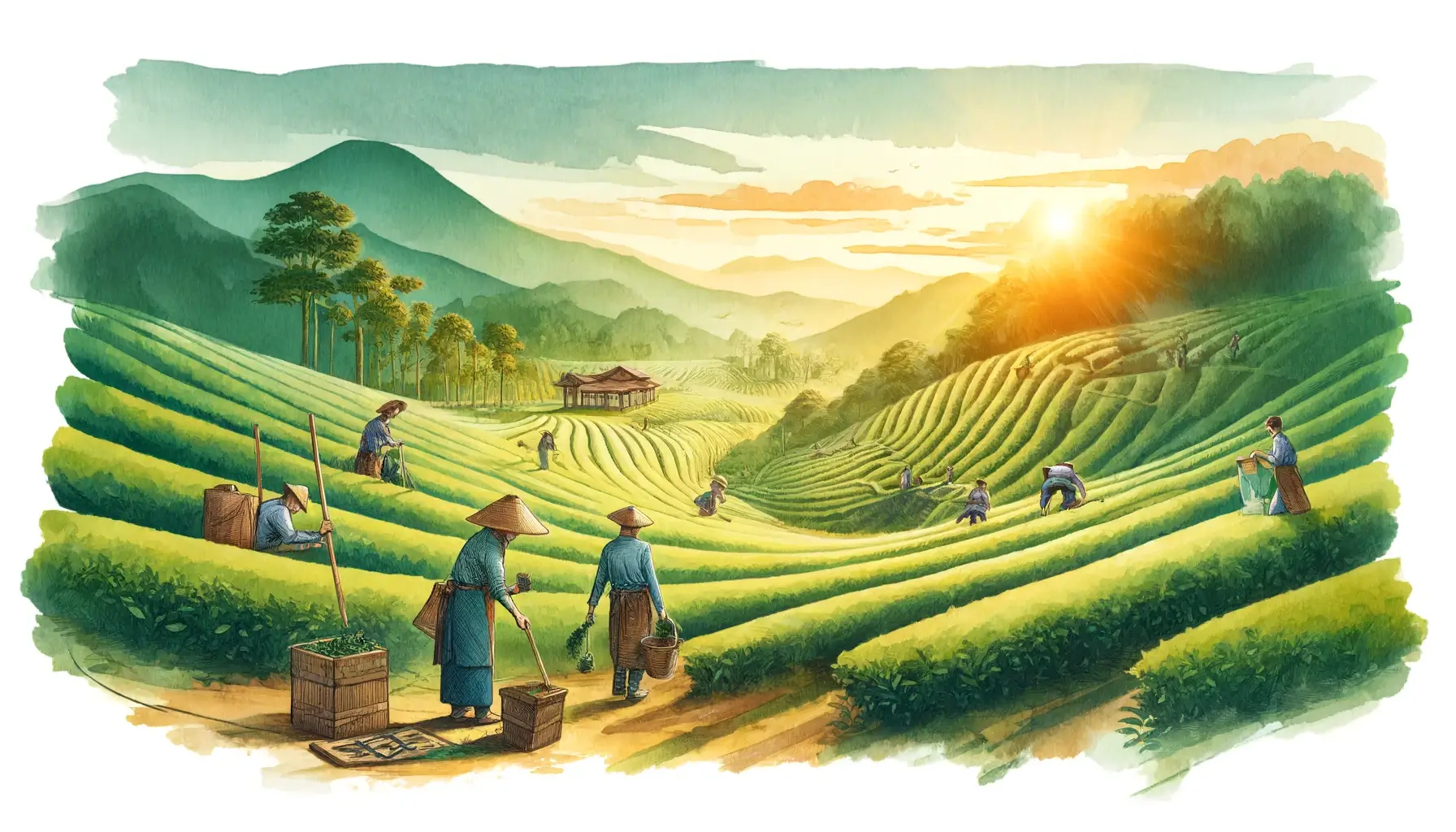
The agricultural history of green tea spans thousands of years, evolving from wild forest foraging in East Asia to carefully managed botanical estates around the globe. Tracing this historical lineage reveals how traditional agrarian respect for living ecosystems gave rise to the modern organic tea movement. Every type of tea produced today reflects centuries of refined agrarian knowledge, shaping the global tea industry and establishing organic farming methods as the gold standard for producing high quality tea with vibrant aroma and clean taste when you steep fresh leaves. The ritual of tea drinking itself began as a meditative extension of this respectful tea production.
The Birth of Ancient Tea Cultivation in China
The botanical origins of tea farming began in the mountain forests of southwestern China. Chinese folklore attributes the discovery of tea to Emperor Shen Nong around 2737 BC, who noticed wild tea leaves drifting into a pot of boiling water. Early agricultural communities recognized the unique invigorating and restorative properties of the Camellia sinensis plant, transitioning from harvesting wild forest bushes to planting structured terrace gardens.
During the Tang (618 to 907 AD) and Song (960 to 1279 AD) dynasties, green tea cultivation became a refined agricultural art. Farmers cultivated tea bushes alongside native flowering shrubs, using composted plant matter and natural spring runoff to nourish the soil. Lu Yu documented these early agro-ecological methods in The Classic of Tea (Cha Jing), establishing the first formal guidelines for terroir, soil composition, and seasonal leaf harvesting.
Buddhist Monks and the Spiritual Stewardship of Soil
As Buddhist monks traveled between China and Japan during the 9th century, they carried tea seeds to monastic temple grounds. Monks such as Saicho and later Eisai, the founder of Rinzai Zen, recognized that tea fostered sustained alertness during long hours of seated zazen meditation.
Because Buddhist philosophy emphasizes non-harm and reverence for all living organisms, monastic gardens rejected toxic chemical controls centuries before synthetic pesticides existed. Monks developed closed-loop farming systems, returning wood ash, fallen leaves, and fermented vegetable compost to the roots of the tea bushes. This spiritual connection between mindful meditation and respectful agriculture established the moral foundation for organic tea farming.
Uji: The Cradle of Japanese Tea Innovation and Shaded Cultivation
In the late 12th century, Eisai planted tea seeds in Uji, south of Kyoto. The region's rolling hills, mineral-dense river mist, and rich alluvial soil created the ideal terroir for high-grade green tea fields. Uji farmers pioneered breakthrough horticultural techniques that defined Japanese tea culture.
Foremost among these was the development of traditional shade-growing (oishita saibai). By constructing bamboo and rice-straw canopies over tea fields weeks before spring picking, farmers restricted sunlight, forcing the plants to produce abundant chlorophyll and concentrated L-theanine. This historic practice produced tender tencha leaves that were stone-ground into vibrant matcha. Uji tea growers proved that working closely with plant physiology yielded superior sweetness without chemical intervention.
Historical Milestones: The Evolution of Green Tea Farming
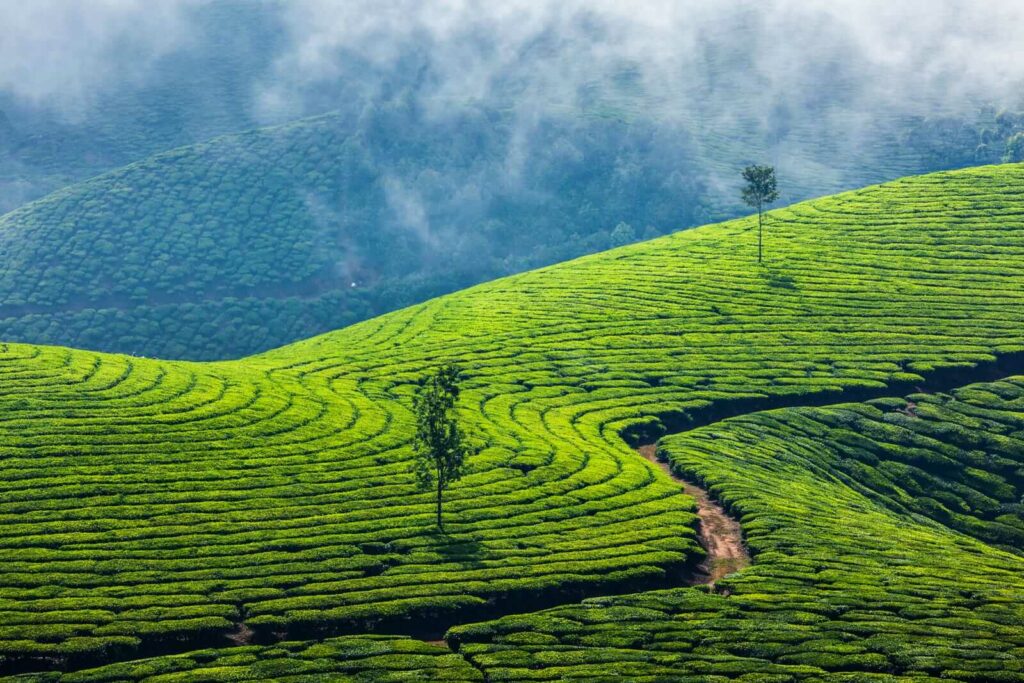
The journey from wild forest plants to modern certified organic plantations reflects changing agricultural paradigms over the centuries:
| Historical Era | Primary Farming Methods | Soil Fertility & Pest Management | Key Regions | End Product |
|---|---|---|---|---|
| Ancient Foraging & Early Dynasties (pre-900 AD) | Wild gathering, small terraced plots | Natural forest leaf litter, untouched soils | Yunnan, Sichuan (China) | Compressed medicinal tea cakes |
| Monastic Zen Cultivation (1100 to 1600 AD) | Hand-planted temple gardens, straw shading | Fermented compost, wood ash, manual weeding | Uji, Kyoto (Japan) | Stone-ground matcha, ceremonial tea |
| 20th Century Industrial Expansion (1950 to 1980) | Monoculture planting, mechanical harvesters | Synthetic nitrogen fertilizers, chemical pesticides | Shizuoka, Kagoshima, Assam | High-yield commodity green and black tea |
| Modern Certified Organic Movement (1990 to Present) | Polyculture, biological pest controls, GIS mapping | Certified organic compost, cover cropping, predator insects | Kagoshima, Uji, Darjeeling | Certified USDA Organic Sencha, Matcha, Gyokuro |
The 20th Century Chemical Revolution and the Organic Counter-Movement
The mid-twentieth century ushered in the Green Revolution, transforming global agriculture through synthetic fertilizers, chemical insecticides, and petroleum-based herbicides. Many commercial tea estates adopted high-nitrogen chemical inputs to force faster flush growth and maximize harvest volume.
While yields initially surged, decades of intensive chemical applications took a severe toll on tea plantation ecosystems:
- Soil Degradation: Chemical fertilizers depleted beneficial soil microbiomes, reducing natural earthworm populations and hardening porous soil structure.
- Pest Resistance: Persistent broad-spectrum insecticides eradicated beneficial predator insects (such as ladybugs and praying mantises), causing pest species like tea green leafhoppers to develop chemical resistance.
- Environmental Runoff: Synthetic nitrogen and pesticide residues washed into local river basins, threatening downstream aquatic life and farm worker safety.
Faced with declining soil health and ecological damage, visionary growers across Japan, China, and India began rejecting synthetic agrochemicals in the late 1970s and 1980s. Pioneers such as Masanobu Fukuoka, author of The One-Straw Revolution, inspired a generation of tea farmers to return to natural farming principles, proving that vibrant green tea crops could flourish through natural ecological balance.
The Global Spread of Organic Green Tea Farming
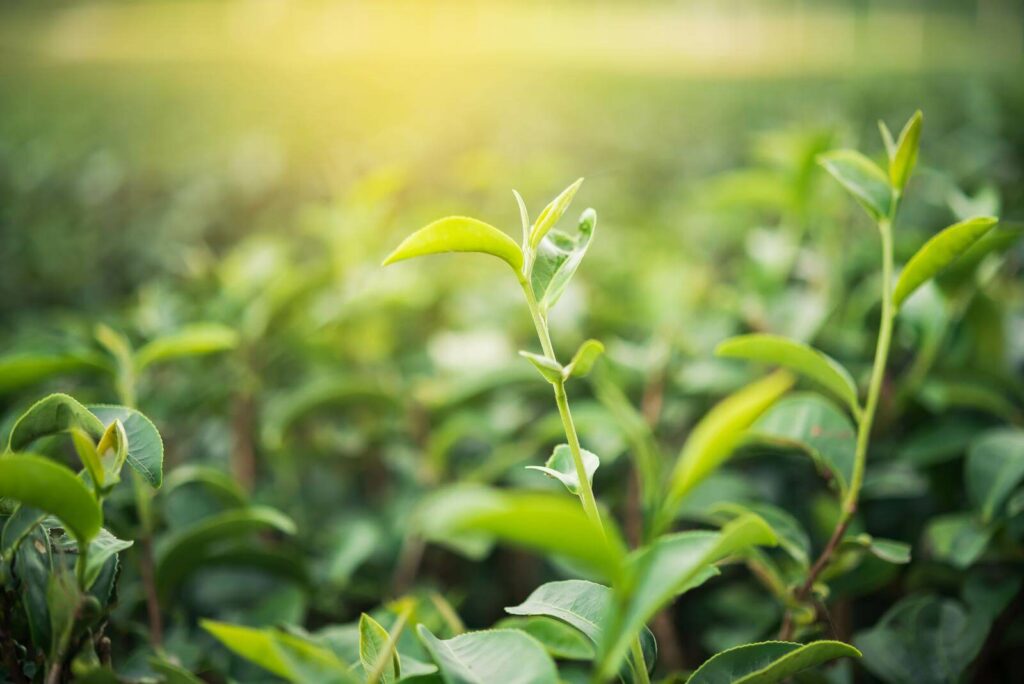
The success of organic revivalists in East Asia inspired sustainable tea initiatives worldwide, creating recognized organic growing centers across multiple continents.
1. Japan: Kagoshima and Uji Lead Modern Organic Innovation
While Shizuoka remains Japan's largest total tea producer, the southern prefecture of Kagoshima has emerged as the global leader in certified organic green tea. Blessed with vast volcanic plateaus, fertile ash-rich soils, and sunny southern skies, Kagoshima farmers invested heavily in modern organic machinery. Growers employ specialized hot-water spraying rigs and nocturnal insect-trapping blowers that dislodge pests without chemical toxins, producing world-class organic Sencha and Gyokuro.
2. India: Darjeeling and Nilgiri Biodynamic Estates
In India, historic estates in Darjeeling and the southern Nilgiri hills transitioned extensive high-altitude acreage to organic and Demeter-certified biodynamic farming. Darjeeling growers restored native forest buffers around tea gardens, using cow manure compost and botanical neem sprays to protect delicate tea bushes from monsoon mold and seasonal insects.
3. China: High-Mountain Wild and Organic Plantations
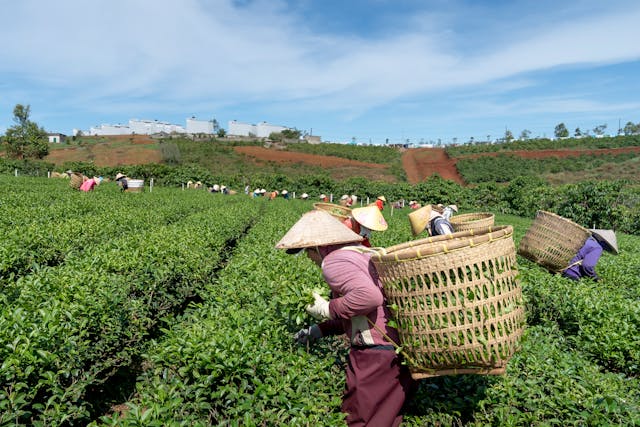
In China, tea gardens in Zhejiang and Anhui revived traditional polyculture methods, cultivating organic Longjing and Mao Feng green teas among mountain pine forests and bamboo groves. High altitude acts as a natural barrier against agricultural pests, allowing farmers to cultivate pristine organic leaves without synthetic interventions.
Modern Innovations Shaping Organic Tea Agriculture
Today's organic green tea farming represents a sophisticated marriage of ancient agro-ecological wisdom and cutting-edge agricultural science:
- Biological Pest Management: Farmers introduce and preserve natural beneficial predators such as predatory mites and parasitic wasps to regulate tea green leafhoppers and spider mites naturally.
- Organic Soil Regeneration: Tea estates plant leguminous cover crops (such as clover and vetch) between rows of tea bushes to naturally fix atmospheric nitrogen into the root zone, eliminating the need for synthetic fertilizers.
- Sensor and Drone Technology: Modern organic growers utilize multispectral drone cameras and soil moisture sensors to detect nutrient deficiencies or fungal outbreaks early, addressing micro-climate variations with pinpoint botanical treatments.
- Fair Trade and Biodiversity Protection: Leading organic estates incorporate wildlife corridors, clean solar energy, and fair worker compensation programs, ensuring agricultural sustainability benefits both rural communities and the surrounding biosphere.
Frequently Asked Questions About Organic Green Tea Farming
When did organic green tea farming originate?
Tea farming was entirely organic for thousands of years, relying on natural forest soils and manual tending from its origins in ancient China through 19th-century monastic gardens. The modern certified organic green tea movement emerged during the 1970s and 1980s as a deliberate response to the environmental and health impacts of synthetic chemical fertilizers and pesticides.
How did Buddhist monks influence organic tea farming practices?
Buddhist monks viewed tea cultivation as an extension of mindfulness and reverence for nature. When planting temple gardens in ancient China and medieval Japan (such as Uji), they rejected harmful practices, establishing closed-loop systems that recycled wood ash, compost, and river mist to nourish the soil.
What are the main differences between organic and conventional green tea farming?
Conventional green tea farming uses synthetic petroleum-based fertilizers and chemical pesticides to accelerate growth and control insects. Organic green tea farming relies on natural compost, cover cropping, beneficial predator insects, and mechanical pest management, preserving soil biodiversity and ensuring zero synthetic chemical residues in the brewed cup.
Which organic certifications should consumers look for on green tea?
Consumers should look for internationally accredited certifications, including USDA Organic (United States), JAS Organic (Japanese Agricultural Standard), and EU Organic (European Union). These third-party certifications guarantee that the tea was cultivated without synthetic chemicals, non-approved pesticides, or genetic modification through every stage from farm to package.

Vivian Li
Dedicated green tea researcher and curator exploring the cultural and scientific depths of tea.