
What Is Moringa Tea? Origins and Botanical Profile
Moringa tea is a nutrient-dense herbal infusion prepared from the dried leaves of the Moringa oleifera tree, commonly known as the drumstick tree, horseradish tree, or miracle tree. Indigenous to the sub-Himalayan tracts of northern India, Pakistan, Bangladesh, and Afghanistan, moringa has served as a foundational botanical in Ayurvedic medicine for thousands of years.
Unlike traditional green tea or black tea, which come from the caffeinated Camellia sinensis plant, moringa tea is naturally 100 percent caffeine-free. The tea is produced by gently harvesting tender green moringa leaves and drying them at low temperatures to prevent heat degradation of volatile nutrients and active plant polyphenols.
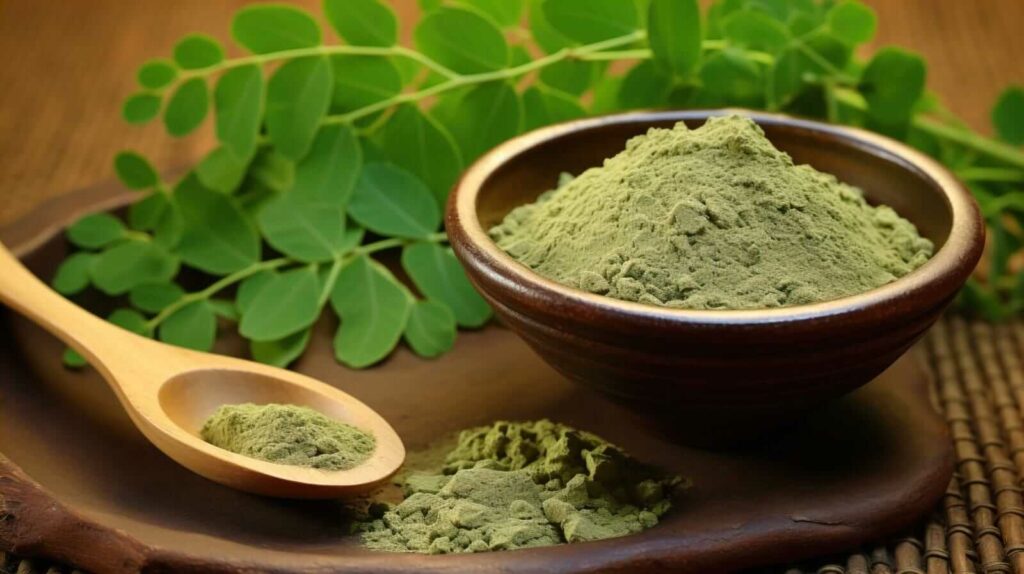
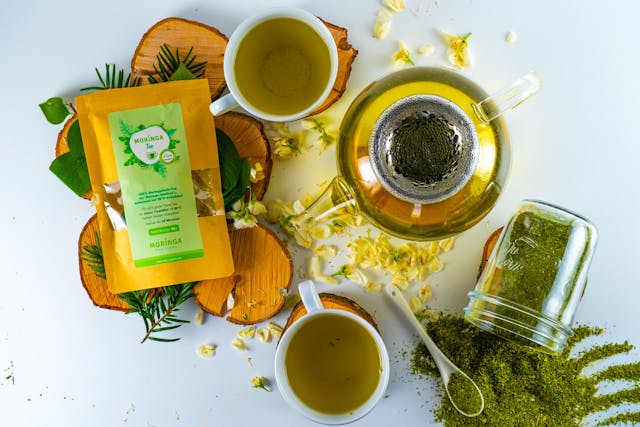
Once dried, the leaves are packaged into whole-leaf tea bags or milled into fine moringa leaf powder. Steeping moringa leaves in pure hot water yields a bright golden-green herbal liquor with a mild, earthy, slightly peppery flavor reminiscent of green tea combined with spinach.
Nutritional Comparison: Moringa Tea vs Traditional Green Tea
Consumers often compare moringa tea with green tea when seeking daily wellness infusions:
| Feature & Bioactive Compound | Moringa Tea (Moringa oleifera) | Green Tea (Camellia sinensis) | Core Physiological Impact |
|---|---|---|---|
| Caffeine Content | 0 mg (Naturally Caffeine-Free) | 25 to 45 mg per 8 oz cup | Gentle daytime alertness vs evening relaxation |
| Primary Antioxidants | Quercetin, Chlorogenic Acid, Beta-Carotene | Epigallocatechin Gallate (EGCG), Catechins | Cellular free radical defense and DNA protection |
| Key Micronutrients | Vitamin C, Vitamin A, Calcium, Potassium, Iron | Trace minerals (Fluoride, Zinc, Manganese) | Bone density, red blood cell production, immunity |
| Amino Acid Profile | Complete plant protein (contains all 9 essential amino acids) | High non-protein L-Theanine | Muscle maintenance vs focused calm brainwaves |
| Flavor Profile | Earthy, herbaceous, mildly peppery, sweet hay | Vegetal, grassy, umami, light astringency | Soothing herbal warmth vs brisk savory notes |
| Optimal Water Temperature | 190°F to 205°F (88°C to 96°C) | 160°F to 180°F (70°C to 82°C) | Robust heat extraction vs delicate heat threshold |
10 Health Benefits of Moringa Tea Backed by Science
Drinking moringa tea regularly delivers concentrated plant nutrients that support metabolic, cardiovascular, and cellular vitality.
1. Helps Lower Blood Sugar Levels
Clinical evaluations indicate that moringa oleifera leaves contain active isothiocyanates and chlorogenic acid. These compounds help slow glucose uptake in the small intestine and enhance cellular insulin sensitivity. Drinking a warm cup of moringa tea after carbohydrate-rich meals can assist in moderating post-meal blood glucose spikes.
2. Cardiovascular Support and Cholesterol Management
Moringa leaf extracts contain beta-sitosterol and bioactive flavonoids that inhibit cholesterol absorption in the digestive tract. Animal and human trials indicate that consistent moringa consumption helps lower elevated serum LDL cholesterol and triglycerides, reducing arterial plaque risks.
3. Natural Blood Pressure Regulation
Moringa leaves are rich in potassium and bioactive glycosides that promote peripheral vascular relaxation. By balancing dietary sodium and easing vascular muscle tension, moringa tea supports healthy resting systolic and diastolic blood pressure.
4. Rich Source of Protective Antioxidants
Moringa tea contains high concentrations of quercetin, a powerful antioxidant that neutralizes free radicals, protects cellular membranes, and stabilizes histamine reactions. Regular tea intake reduces systemic oxidative stress across lung, liver, and kidney tissues.
5. Reduces Systemic Inflammation
Chronic low-grade inflammation is an underlying driver of arthritis, cardiovascular disease, and metabolic dysfunction. The isothiocyanates and polyphenols in moringa leaves suppress inflammatory cytokine production, providing natural relief for joint stiffness.
6. Enhances Immune Function
High natural concentrations of vitamin C and vitamin A precursors in moringa leaves strengthen epithelial barrier integrity and support white blood cell activity, bolstering immune defenses during seasonal changes.
7. Promotes Digestive Regularity and Gut Health
Moringa tea acts as a mild digestive tonic. Its natural antimicrobial properties help suppress opportunistic intestinal pathogens while promoting balanced gut flora and soothing minor stomach discomfort.
8. Cognitive Clarity Without Caffeine Jitters
Because moringa tea is caffeine-free, it nourishes the brain without stimulating adrenal pathways. High levels of vitamins C and E combat neurochemical oxidation in the brain, supporting sharp memory and sustained mental clarity.
9. Supports Natural Liver Detoxification
Moringa polyphenols accelerate the production of glutathione, the body's primary endogenous antioxidant. This supports phase II hepatic detoxification enzymes, helping the liver process metabolic byproducts efficiently.
10. Nourishes Skin and Connective Tissue
Antioxidants and trace minerals in moringa tea protect collagen fibers from ultraviolet degradation and free radical damage, supporting skin elasticity and healthy hydration.
How to Brew Moringa Tea for Optimal Flavor and Nutrition
Brewing moringa tea is simple, whether using loose dried leaves, tea bags, or stone-ground moringa leaf powder:
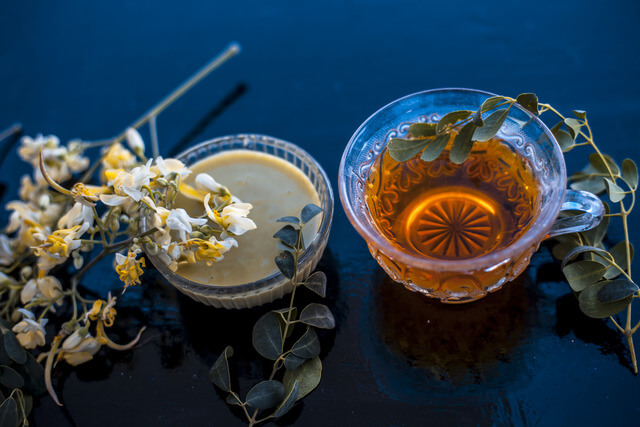
- Water Temperature: Heat fresh, filtered water to approximately 190°F to 200°F (88°C to 93°C). Unlike delicate green tea leaves, moringa leaves benefit from slightly hotter water to fully extract dense polyphenols.
- Leaf Proportion: Use one to two teaspoons of dried whole moringa leaves (or one tea bag) per eight ounces of hot water.
- Steeping Duration: Allow the tea to steep for five to seven minutes. A longer steep produces a deeper herbaceous profile with heightened antioxidant release.
- Flavor Enhancements: Pure moringa has a rich herbal taste with mild peppery notes. Adding a slice of fresh lemon enhances flavor while ascorbic acid increases the bioavailability of moringa antioxidants. A teaspoon of raw honey or a slice of fresh ginger adds pleasant sweetness and warming digestive support.
Potential Side Effects and Precautions with Moringa Tea
Moringa tea is well-tolerated by most healthy individuals, but certain precautions should be observed:
- Pregnancy Precaution: Pregnant women should avoid high doses of moringa products, particularly those containing root or bark extracts, as certain compounds can stimulate uterine contractions.
- Blood Sugar Medication Interaction: Because moringa naturally lowers blood glucose, individuals taking insulin or metformin should monitor their blood sugar levels closely to prevent hypoglycemia.
- Blood Pressure Medications: Similarly, those taking antihypertensive prescriptions should consult their doctor, as moringa can enhance blood pressure-lowering effects.
Frequently Asked Questions About Moringa Tea
What does moringa tea taste like?
Moringa tea has a pleasant, earthy, herbaceous flavor similar to green tea combined with spinach or nettle tea. It carries a mild vegetal sweetness with subtle peppery undertones, making it very enjoyable on its own or paired with fresh lemon and honey.
Does moringa tea have caffeine?
No. Moringa tea is completely caffeine-free because it is made from the leaves of the Moringa oleifera tree rather than the Camellia sinensis tea plant. It provides clean daytime energy through dense vitamins and minerals rather than central nervous system stimulation.
Can you drink moringa tea every day?
Yes. Drinking one to two cups of moringa tea daily is a safe and effective way to supply your body with antioxidants, plant protein, and essential trace minerals. Enjoying a cup in the morning or evening supports healthy digestion and metabolic wellness.
Does moringa tea help you lose weight?
Moringa tea can assist with healthy weight management by regulating blood sugar levels, reducing insulin spikes after meals, and supporting digestive regularity. However, it should be enjoyed alongside a balanced whole food diet and regular physical activity for best results.
Can you drink moringa tea before bed?
Yes. Because moringa tea contains zero caffeine and is rich in muscle-relaxing potassium and magnesium, it is an ideal herbal beverage to enjoy before bed to promote relaxation and restful sleep.

Vivian Li
Dedicated green tea researcher and curator exploring the cultural and scientific depths of tea.