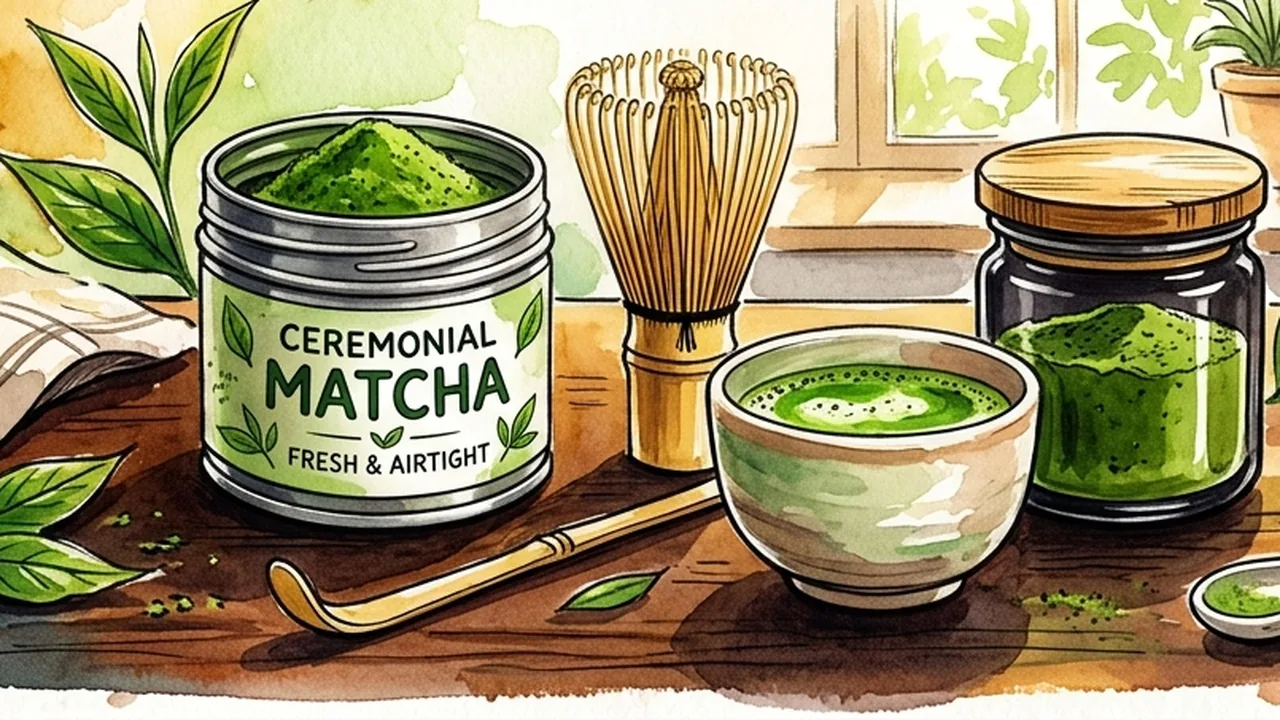
Preserving the Living Quality of Stone-Ground Tea
To keep matcha powder fresh and vibrant green, store unopened tins in the freezer or refrigerator to preserve delicate chlorophyll and L-theanine. Once opened, keep your matcha in an airtight, completely opaque container inside the fridge crisper drawer and consume within four to eight weeks. Always allow a chilled tin to warm to room temperature for ten minutes before opening to prevent condensation and keep your matcha fresh for longer.
Opening a fresh tin of ceremonial matcha from Uji or Kagoshima is one of tea's great pleasures. The vivid bright green powder releases a clean aroma of fresh spring harvest, sweet grass, and rich umami.
Yet stone-ground tencha leaves are among the most delicate botanicals in your kitchen. Unlike storing loose leaf green tea or roasted oolongs, where the unbroken leaf structure protects the interior, matcha is milled on slow granite stones into microscopic particles measuring between five and ten microns. This massive surface area leaves every grain vulnerable to oxygen, warmth, light, and humidity.
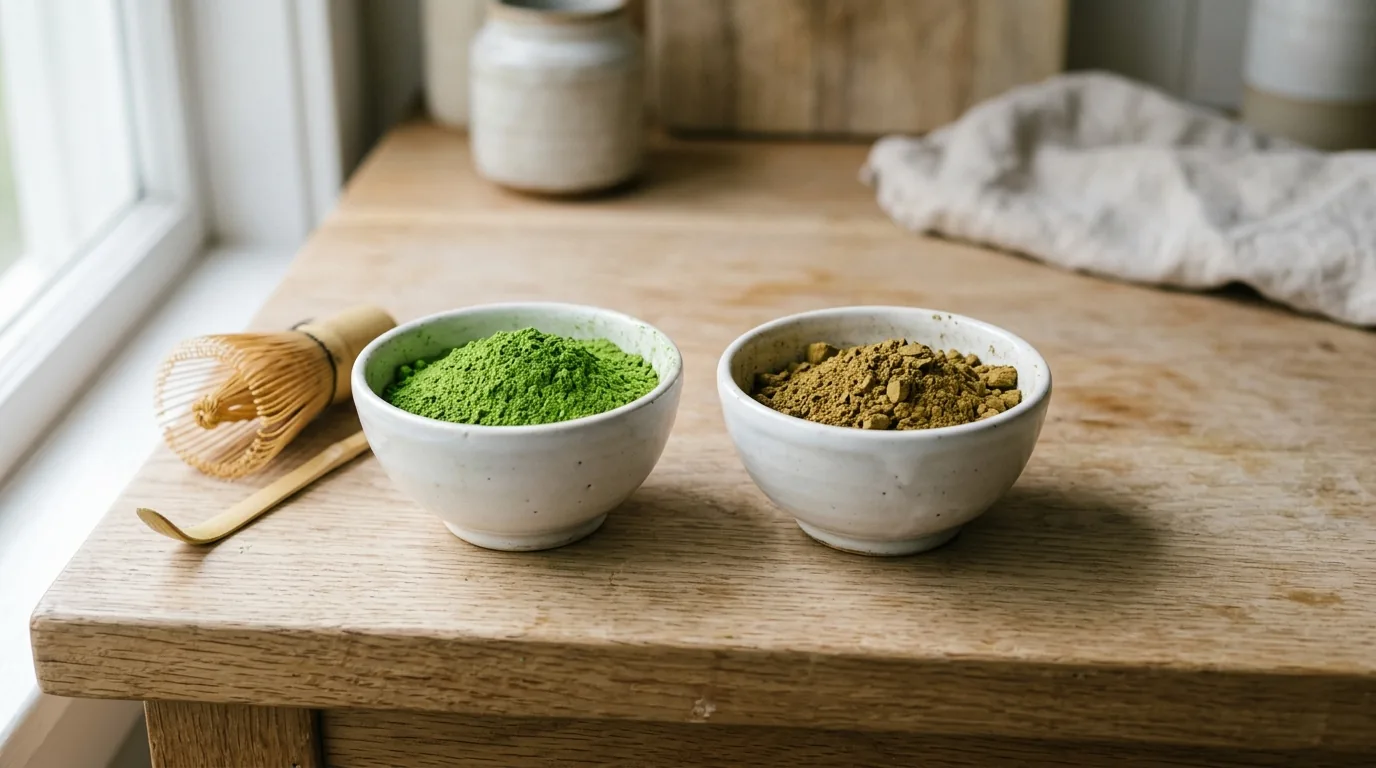
Treating matcha like an ordinary dried herb quickly leads to disappointment. When exposed to air, matcha loses its natural sweetness and umami taste, turning vibrant emerald to dull yellow-brown. In traditional Japanese tea ceremony practices, whether whisking thin tea (usucha) or rich ceremonial thick tea (koicha), protecting fine green tea powder begins with proper care. Therefore, when selecting high-quality matcha powder online, choosing smaller 30g tins or airtight foil pouches ensures you properly store and consume the tea at peak freshness before delicate flavors fade.
Matcha Storage Environments Compared: Shelf Life, Risks, and Best Practices
| Storage Environment | Best For | Expected Shelf Life | Major Risk / Consideration | Storage Recommendation |
|---|---|---|---|---|
| Room Temperature (Pantry / Cabinet) | Daily drinking tins consumed within 2 to 3 weeks | 3 to 4 weeks after opening | Heat and oxygen degrade chlorophyll quickly in warm climates | Acceptable only in cool, dark cupboards away from stoves |
| Refrigerator (Crisper Drawer) | Opened daily tins for routine morning rituals | 6 to 8 weeks after opening | Odor absorption and condensation if opened while cold | The gold standard for opened tins; keep in a sealed secondary container |
| Freezer (Zero Degrees) | Unopened backup tins and reserve harvests | Up to 12 months unopened | Condensation shock if opened cold; never refreeze opened powder | Ideal for bulk seasonal buying; must thaw completely before breaking seal |
| Clear Glass Jar on Countertop | Never recommended | Less than 7 days before yellowing | Rapid photo-oxidation from UV light and kitchen heat | Avoid entirely; light kills vibrant green chlorophyll in days |
The Four Environmental Factors That Degrade Matcha
To protect your tea, it helps to understand what happens on a molecular level when matcha meets the elements:
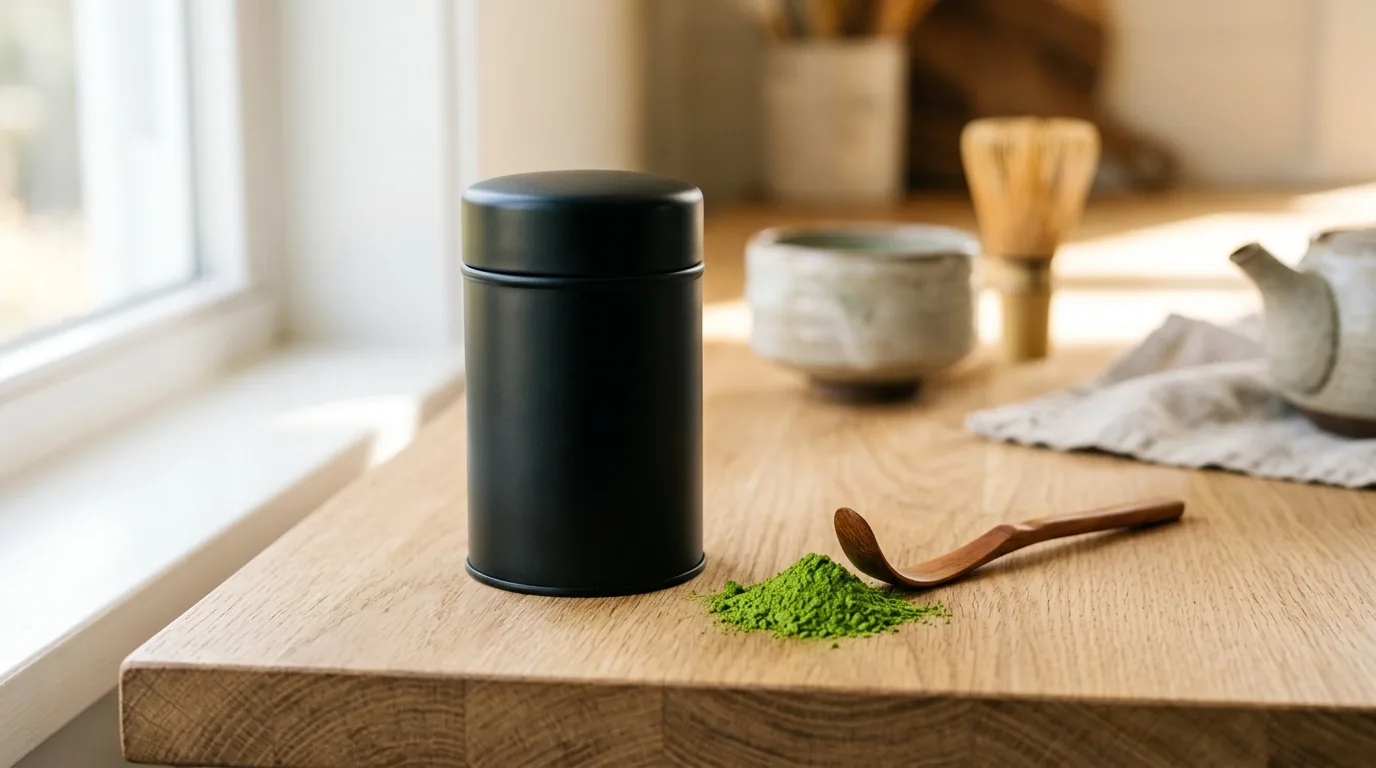
1. Oxygen: The Catalyst of Oxidation
When oxygen interacts with stone-ground tea, catechins oxidize into quinones and darker polymeric compounds, while volatile aromatic compounds dissipate into the air. This chemical shift strips the tea of its signature sweetness and umami, leaving behind a thin, astringent cup.
2. Light: Keep It Away from Direct Sunlight
Matcha derives its vivid jade-green hue from the extensive shade-growing process (tana sheltering) conducted during the final three to four weeks before harvest. Deprived of direct sunlight, the tea bushes produce immense quantities of chlorophyll to capture every scrap of ambient light. However, chlorophyll is photosensitive. Exposing matcha to direct sunlight causes visible bleaching within hours; even diffuse indoor light accelerates degradation over days.
3. Heat: The Accelerator of Aging
Chemical reactions obey temperature rules. In warm environments (above 75°F or 24°C), degradation processes accelerate exponentially. Warm storage quickens lipid oxidation, causing the subtle fats in the leaf tissue to turn stale and sour.
4. Moisture: The Clumping Nemesis
Microscopic matcha powder is intensely hygroscopic, meaning it actively drinks moisture from the surrounding air. When humidity penetrates your container, the powder binds together into hard pebbles that resist smooth whisking, creating a clumpy, lumpy bowl and inviting microscopic fungal spoilage.
Storing Matcha in the Fridge vs. Freezer: Where Should Your Tin Live?
One of the most common questions in our tea community is whether to refrigerate or freeze your matcha. The answer depends on whether the original hermetic factory seal has been broken.
Unopened Reserve Tins: The Freezer Sanctuary
If you purchase several tins at once during the spring harvest to take advantage of seasonal offerings, the freezer is your best option.
- At freezing temperatures, molecular motion slows to a near standstill, locking chlorophyll and amino acids in suspended animation.
- An unopened, nitrogen-flushed tin stored in the back of your freezer will retain its peak quality for up to twelve months.
- Golden Rule: When you decide it is time to open a frozen tin, transfer it to the refrigerator for 24 hours, and then let it come to room temperature on your counter before opening (about two hours). If you open a sub-zero tin in a warm kitchen, atmospheric moisture will condense instantly onto the icy powder, destroying its texture.
Opened Tins for Daily Use: The Fridge Crisper Drawer
Once you break the factory seal, your matcha transitions into its active consumption phase.
- Store in the Crisper Drawer: The vegetable crisper drawer of your fridge offers a stable temperature with lower humidity fluctuations than door shelves.
- Shield Against Kitchen Aromas: Matcha absorbs ambient food smells remarkably fast. Storing an unsealed tin near onions, garlic, or cheese will ruin its delicate aroma. Always keep your metal tin tucked inside an airtight zip-lock bag or a snap-lock secondary glass container.
The Condensation Trap: The Most Overlooked Mistake
The most overlooked mistake in matcha care is deceptively simple: opening a cold tin in a warm room.
Think of taking a cold can of sparkling water out of the refrigerator on a humid summer afternoon. Within seconds, beads of water form all over the outer metal surface.
The exact same phenomenon happens inside your matcha tin if you open the lid while the powder is cold:
- Cold powder meets warm, humid room air.
- Ambient water vapor condenses directly onto the microscopic tea particles.
- The moisture triggers micro-clumping and accelerates oxidation within hours.
The Golden Routine: Every morning, retrieve your matcha tin from the fridge ten to fifteen minutes before your brewing ritual. Allow the tin to equilibrate naturally to room temperature on your counter while you prepare your water and warm your chawan (tea bowl). Once the canister matches the ambient temperature of the room, you can safely open the lid without introducing a single drop of condensed moisture.
Step-by-Step Protocol: A Reliable Daily Storage Routine
Follow these practical steps to safeguard your investment:
- Keep the Inner Bag and Tin Together: Most authentic Japanese matcha arrives in a sealed foil pouch placed inside a lithographed metal tin with an inner plastic plug lid. When you cut open the pouch, do not dump the powder loose into the tin. Keep the powder inside the foil pouch, fold the top down tightly, secure it with a small clip, and slide it back inside the metal tin.
- Seal Double Barriers: Ensure the inner plastic stopper lid is pressed firmly into place before threading the outer screw cap or slip cap.
- Bag the Tin: Place the entire metal tin inside an opaque, zip-sealed freezer pouch to create a moisture and odor vapor barrier.
- Sift Before Whisking: Storing matcha in cold conditions naturally promotes minor electrostatic clumping. Always sift your daily one to two grams through a fine stainless steel mesh into your chawan to restore its airy, cloud-like consistency before adding water at the ideal matcha brewing temperature (160°F to 175°F / 70°C to 80°C).
Has Your Matcha Lost Its Freshness? Bad Signs of Oxidation and What to Do
Even with vigilant care, a tin left forgotten in a cupboard may lose its brilliant color and sweet flavor. Before you consider discarding it, remember that oxidized matcha remains safe and packed with culinary potential:
- Baking and Desserts: Heat from an oven alters tea chemistry anyway, making slightly oxidized matcha perfectly suitable for matcha pound cakes, shortbread cookies, and morning waffles.
- Matcha Lattes with Natural Sweeteners: While stale matcha lacks the delicate umami needed for a pure water whisk, repurposing it into a creamy homemade matcha latte with warm oat milk and pure maple syrup easily balances any residual bitterness.
Frequently Asked Questions
Why did my matcha turn brownish-yellow?
Matcha turns yellow-brown due to photo-oxidation and heat degradation. Chlorophyll photo-degrades into pheophytin (an olive-yellow compound), while catechins oxidize into bitter, astringent polymeric compounds. Separately, amino acids like L-theanine slowly break down, reducing the tea's natural sweetness and umami. Storing your tea in an airtight, opaque container in a cool spot prevents this discoloration.
How long does an opened tin of matcha stay fresh?
For peak ceremonial flavor, vibrant green color, and sweet umami, consume opened matcha within four to eight weeks (one to two months). While the powder remains safe to drink for up to four months if kept sealed in the refrigerator, its delicate aroma and vitality will noticeably fade after sixty days.
Can I store matcha in a clear glass spice jar?
No. Clear glass allows ultraviolet and visible light to penetrate the tea, destroying chlorophyll within days. Always choose opaque metal tins, ceramic canisters with airtight silicone seals, or light-blocking foil pouches.
Deepen Your Matcha Ritual
Caring for your matcha is simply part of the ritual: the same mindfulness you bring to water temperature, bowl warming, and whisking belongs in the cupboard too. The tea farmer's craft ends the moment the tin is sealed in Uji; safeguarding that vibrant emerald vitality until the final scoop is entirely in your hands.

Vivian Li
Dedicated green tea researcher and curator exploring the cultural and scientific depths of tea.