
Why Green Tea? A Comprehensive Guide to Its Weight Management Benefits
Green tea supports a healthy metabolism through the natural pairing of catechins (especially EGCG) and mild caffeine. Ceremonial Matcha (such as Encha) ranks highest in potency because the whole stone-ground leaf is consumed rather than steeped, delivering the greatest concentration of antioxidants. For daily whole-leaf brewing, organic Japanese Sencha (such as FGO) offers a clean, unadulterated source of catechins. For everyday convenience, trusted bagged blends from The Republic of Tea or Yogi provide gentle, accessible daily support.
In the quest for sustainable health and effective weight management solutions, green tea has earned global recognition. This ancient beverage, steeped in history and rich in bioactive polyphenols, offers far more than a soothing ritual. It functions as an evidence-based tool for wellness, a gentle promoter of healthy body composition, and a natural way to enhance overall vitality. Research confirms that green tea helps stimulate metabolic rate, making it an excellent addition to a mindful lifestyle.
The Historical Significance of Green Tea in Weight Management
Green tea’s journey as a weight management aid begins centuries ago, deeply rooted in East Asian botanical traditions. Historically valued for its digestive support and invigorating properties, green tea was recognized early on for its ability to clear stagnation after heavy meals and balance internal vitality. Ancient practitioners observed that those who consume green tea regularly maintained lean physiques and robust stamina. Today, modern science validates these centuries-old practices, confirming that green tea is good for weight loss when paired with whole food nutrition.
Scientific Studies Supporting Green Tea’s Metabolism-Boosting Properties
Decades of controlled human trials demonstrate that green tea catechins, particularly epigallocatechin gallate (EGCG), directly influence metabolic rate and fat oxidation. Examining the clinical data reveals that the combination of catechins and natural caffeine stimulates thermogenesis (heat production), elevating daily caloric expenditure by three to four percent. Regular consumption of green tea, particularly nutrient-dense matcha green tea powder, supplies concentrated antioxidants that help optimize lipid metabolism and promote weight loss.
Green Tea Versus Other Weight Loss Supplements: Pros and Cons
In a supplement marketplace saturated with synthetic fat burners and aggressive stimulants, green tea stands out for its balanced physiological profile and high safety record. While synthetic weight loss pills often induce cardiovascular strain and rapid rebound weight gain, pure green tea provides a natural, sustainable way to lose weight. Green tea helps support metabolic health gradually while providing vascular, cognitive, and cellular antioxidant protection.
Green Tea for Weight Loss: What You Need to Know
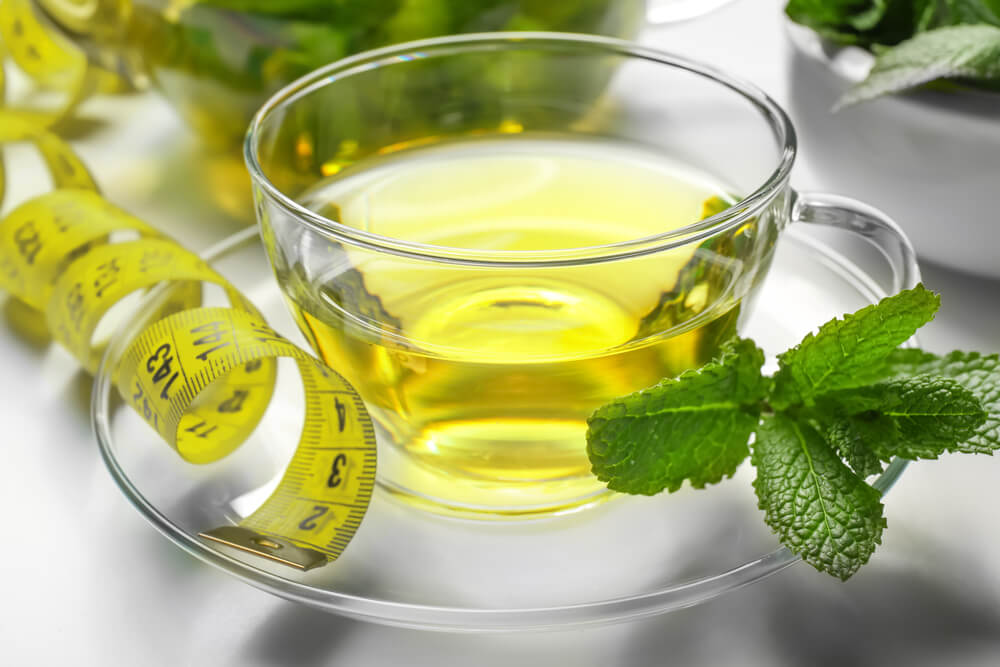
Understanding how green tea operates at a cellular level allows tea drinkers to maximize its physiological impact while maintaining daily balance.
Unlocking the Power Within: Catechins and Caffeine in Green Tea
At the core of green tea’s capacity to aid in weight loss are two synergistic compounds: catechins and caffeine. Catechins, spearheaded by EGCG, inhibit catechol-O-methyltransferase (COMT), an enzyme that degrades norepinephrine. By prolonging norepinephrine signaling, green tea promotes continuous fat oxidation. Caffeine complements catechins by stimulating cellular lipolysis, gently mobilizing fatty acids from adipose stores into circulation where they can be burned as fuel during exercise.
Maximizing Weight Loss with Proper Timing and Frequency
Knowing when and how often to enjoy your tea can amplify its metabolic benefits. Sipping a cup of green tea in the morning jumpstarts metabolic turnover, while drinking a cup 30 to 45 minutes prior to aerobic exercise increases fat oxidation rates during physical activity. To prevent sleep disruption, schedule your caffeinated green tea intake during the early morning and afternoon hours.
Vivian’s Mindful Daily Rhythm:
- Optimal Daily Intake: Aim for 2 to 3 cups daily. This delivers the steady benefits of catechins without overloading your system with caffeine.
- Never on an Empty Stomach: Green tea is rich in natural tannins, which can cause mild nausea or acid sensitivity if sipped on an empty stomach. Enjoy your cup 30 to 60 minutes after breakfast or lunch.
- Before Gentle Movement: Sipping green tea 30 minutes before a morning walk or workout primes your body to oxidize fat naturally during exercise.
- Afternoon Cut-Off: To protect deep, restorative sleep (which is foundational for healthy metabolism), enjoy your final caffeinated green tea before 2:00 PM or 3:00 PM.
Long-term Versus Short-term Effects on Metabolism and Weight
Patience is fundamental when utilizing green tea for body composition. While immediate thermogenic increases provide minor daily calorie burn, green tea’s primary benefit lies in long-term metabolic stability. Clinical meta-analyses indicate that individuals who consume green tea daily over twelve weeks experience statistically significant reductions in visceral fat area, body weight, and waist circumference compared to control groups.
Choosing the Best Green Tea for Your Wellness Journey

When evaluating teas for weight loss, selecting the correct format determines both your sensory experience and the concentration of active catechins delivered to your system.
The Brew Battle: Loose Leaf Green Tea vs. Tea Bags
Loose leaf green tea consists of unbroken, whole leaves harvested during early spring or summer flushes. These intact leaves preserve high concentrations of volatile aromatic oils, L-theanine, and monomeric catechins. Whole leaf Japanese sencha green tea provides an exquisite vegetal profile and robust antioxidant yield. Conversely, standard commodity tea bags frequently contain dust and fannings, which oxidize more rapidly and extract higher levels of astringent tannins. For those seeking maximum bioactive density, whole loose leaf is the superior choice, while high-grade pyramid tea bags offer convenient daily practicality.
Matcha Magic: Amplifying Weight Loss with Green Tea Powder
Matcha represents the ultimate expression of green tea nutrition. Because shade-grown tencha leaves are ground into micro-fine powder and whisked directly into water, you consume 100 percent of the leaf rather than merely drinking steeped water. Clinical evaluations show that authentic matcha delivers up to three times the EGCG concentration of standard steeped green tea bags. This heightened potency makes ceremonial and premium matcha powder an exceptional tool for boosting morning metabolism.
Synergistic Sips: Green Tea and Herbal Blend Benefits
Many tea brands formulate functional blends that pair pure green tea leaves with complementary botanicals. Adding green coffee bean extract introduces chlorogenic acid, an organic compound that slows carbohydrate absorption in the gastrointestinal tract. Formulations featuring ginger, cinnamon, and holy basil (Tulsi) provide digestive comfort, balanced blood sugar response, and adaptogenic stress relief, creating an all-around supportive environment for healthy weight management.
Best Green Tea Brands for Weight Loss: Detailed Comparison
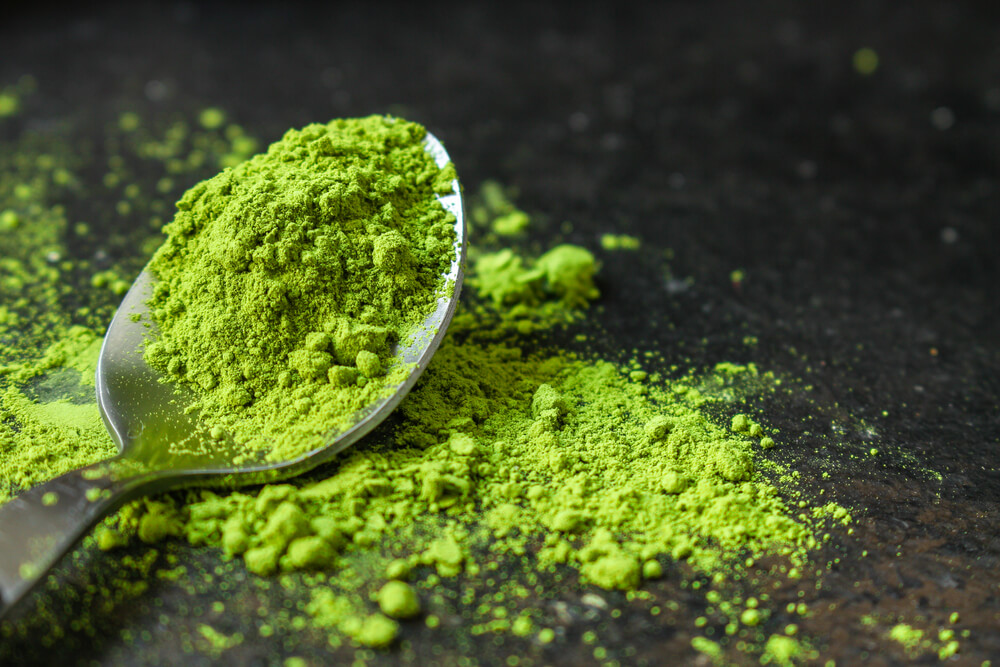
Selecting high-quality green tea brands for weight loss requires assessing leaf grade, agricultural transparency, and third-party organic verification.
| Brand & Tea | Format | Origin | Flavor Profile | Best For |
|---|---|---|---|---|
| Encha Organic Ceremonial Matcha | Stone-ground Powder | Uji, Japan | Deep umami, velvety, sweet finish | Maximum EGCG & focused morning energy |
| FGO Organic Japanese Sencha | Whole Loose Leaf | Kagoshima, Japan | Crisp, fresh-cut grass, mild sweetness | Pure daily catechin brewing at great value |
| The Republic of Tea (Lean Green) | Unbleached Tea Bags | Multi-region Blend | Earthy with subtle cinnamon warmth | Synergistic herbal blend with matcha |
| Yogi Green Tea Blueberry Slim Life | Bagged Herbal Blend | Blend | Bright, fruity, light herbal sweetness | Convenient on-the-go routine & craving control |
| Organic India Tulsi Green Tea | Bagged Herbal Blend | India | Peppery, floral, soothing holy basil | Stress relief & cortisol-friendly afternoon balance |
-
Encha Organic Ceremonial Matcha (First Harvest): When your goal is maximum antioxidant density, authentic Japanese matcha stands alone. Grown in the misty hills of Uji and shaded for weeks before harvest, Encha’s ceremonial grade is pure leaf tissue with zero stems or fillers. Because you whisk the whole powder into water rather than steeping and discarding the leaves, you absorb every microgram of EGCG alongside L-theanine for calm, sustained focus.
- Tasting note: Velvety smooth and vibrant jade green, with a rich savory umami and zero bitterness when whisked with water between 160°F and 175°F.
-
FGO Organic Japanese Sencha (Loose Leaf): For those who cherish the meditative ritual of steeping whole leaves in a teapot, FGO’s loose-leaf sencha green tea from Kagoshima is an exceptional daily staple. Bathed in full southern sunlight, the leaves develop generous levels of natural catechins. Choosing whole loose leaf ensures the delicate essential oils remain intact, offering far greater purity and flavor than mass-market tea bags.
- Tasting note: Refreshingly vegetal, crisp, with a subtle golden-green liquor and clean astringency.
-
The Republic of Tea: Lean Green Supergreen: If you prefer the simplicity of an unbleached tea bag that pairs green tea with complementary botanicals, this blend is thoughtfully composed. It combines a base of green tea and stone-ground matcha with organic garcinia cambogia, cinnamon, and ginger for gentle digestive warmth.
- Tasting note: Warm, lightly spiced with cinnamon, and comforting on cooler mornings.
-
Yogi Green Tea Blueberry Slim Life: Crafted for those seeking an approachable, naturally flavored tea that curbs mid-morning sweet cravings, Yogi blends organic green tea with hibiscus, garcinia cambogia fruit extract, and natural blueberry flavor. It is gentle on the palate and effortless to keep at your desk.
- Tasting note: Pleasantly tart and fruity with a soft herbal finish.
-
Organic India Tulsi Green Tea: Chronic stress and elevated cortisol frequently interfere with metabolic wellness. This blend combines organic green tea leaves with Holy Basil (Tulsi), an esteemed adaptogen in Ayurvedic tradition. It helps calm the nervous system while delivering the gentle metabolic benefits of green tea catechins.
- Tasting note: Uplifting, herbal, with distinct clove and peppery notes that awaken the senses.
Frequently Asked Questions About Green Tea for Weight Loss and Metabolism
What green tea brand is best for weight loss and boosting metabolism?
Encha Organic Ceremonial Matcha is the highest-rated green tea for weight loss because you consume the whole stone-ground leaf, providing up to three times the EGCG catechins of steeped tea. For traditional whole-leaf steeping, FGO Organic Japanese Sencha is the top choice, delivering unadulterated catechins and rich natural flavor without synthetic additives.
How does green tea promote weight loss and fat burning?
Green tea promotes weight loss through the combined action of catechins (especially EGCG) and natural caffeine. EGCG inhibits the enzyme that breaks down norepinephrine, prolonging the signal that instructs fat cells to break down stored body fat. Simultaneously, caffeine elevates 24-hour energy expenditure and enhances fat oxidation during exercise and daily rest.
When is the best time to drink green tea for weight loss?
The best time to drink green tea for metabolic benefits is 30 to 45 minutes before exercise to maximize fat oxidation during your workout, or mid-morning between meals. Avoid drinking green tea on an entirely empty stomach to prevent tannin-induced nausea, and finish your last caffeinated cup by early afternoon to protect restorative sleep.
Can green tea bags work as effectively as loose-leaf tea for weight loss?
High-quality green tea bags made from whole leaves provide effective levels of catechins for weight management. However, commodity tea bags that contain fragmented tea dust contain fewer intact volatile oils and lower overall catechin concentrations compared to premium whole loose leaf or stone-ground matcha powder.
How many cups of green tea should you drink daily to lose weight?
Clinical research indicates that drinking two to three cups (16 to 24 ounces) of green tea daily provides 200 to 400 milligrams of catechins, which is the effective range needed to support metabolic health and steady fat burning without causing caffeine sensitivity.

Vivian Li
Dedicated green tea researcher and curator exploring the cultural and scientific depths of tea.